





A personal loan is a fixed amount of money you borrow from a bank or NBFC, repaid over a set period through equal monthly installments, called EMIs. Unlike a home or vehicle loan, it isn’t tied to a specific purchase; you can use it for almost anything. This guide covers everything a first-time borrower needs to know.
The Basic Idea, Explained Simply
You borrow a lump sum and choose a repayment period, known as the tenure. The loan is repaid through equal monthly installments (EMIs), with each payment covering both the principal and the interest. Once every EMI is paid, the loan is closed, and you owe nothing further.
What Makes a Personal Loan Different From Other Loans
A home loan is specifically for buying property, and the property itself secures the loan. A vehicle loan works the same way, tied to the vehicle. A personal loan has no such restriction. You can use it for a wedding, medical expenses, travel, debt consolidation, home renovation, or nearly any other purpose.
This flexibility is the main reason personal loans are so widely used; they solve a huge range of financial needs with one simple product.
Is a Personal Loan Secured or Unsecured?
Most personal loans in India are unsecured. This means you don’t need to pledge any collateral, a property, gold, or an asset, to get one. Because the lender takes on more risk without collateral, personal loans generally carry higher interest rates than secured loans like home loans.
How Much Can You Borrow?
This depends primarily on your income and existing financial obligations. Lenders calculate your eligible amount using your income, your FOIR, or Fixed Obligation to Income Ratio, and your credit score. A higher income and a strong credit score generally unlock a larger eligible loan amount.
What Determines Your Interest Rate?
Your credit score is the biggest factor. A strong score, generally 750 or above, unlocks the most competitive rates. Your income and employment type matter too; salaried applicants with stable employment often see slightly better offers than newer self-employed profiles, all else equal. The lender itself matters, since rates vary meaningfully between banks and NBFCs for similar borrower profiles.
What Is an EMI, and How Is It Calculated?
EMI stands for Equated Monthly Installment, the fixed amount you pay each month. It’s calculated using your loan amount, interest rate, and tenure, through a standard reducing-balance formula. Every EMI includes both principal and interest, with the interest portion typically larger in early payments, and gradually shrinking as your outstanding balance reduces.
How Long Can You Take to Repay?
Personal loan tenures in India typically range from 12 months to 5 years, though some lenders offer up to 7 years for larger amounts. A shorter tenure means a higher EMI but less total interest paid. A longer tenure means a lower EMI but more total interest over the life of the loan.
What Documents Do You Need?
For salaried applicants, expect to provide PAN and Aadhaar for KYC, recent salary slips, bank statements showing salary credits, and Form 16. For self-employed applicants, expect to provide the same KYC documents, alongside 2-3 years of Income Tax Returns, GST returns where applicable, and bank statements showing business income.
What Fees Come With a Personal Loan?
Beyond the interest rate itself, expect a processing fee, typically 1-3% of the loan amount, charged upfront. Some lenders charge a foreclosure fee if you close the loan early, though RBI bans this specifically for floating-rate loans to individual, non-business borrowers. Always ask for a complete fee breakdown before signing, not just the headline interest rate.
A Worked Example
Borrow ₹3,00,000 at 13% interest, over 3 years. Your EMI would run approximately ₹10,100 per month. Over the full tenure, you’d repay a total of roughly ₹3,63,600, meaning about ₹63,600 in total interest across the loan’s life.
How Fast Can You Get a Personal Loan?
This varies by lender, but many banks and NBFCs now offer approval within 24-48 hours for straightforward applications with complete documentation, and disbursement shortly after. Some digital lenders offer even faster processing, sometimes within hours, for smaller amounts and strong credit profiles.
Common First-Time Borrower Mistakes
Borrowing more than you actually need, simply because you’re eligible for a larger amount. Not comparing offers across multiple lenders before committing to the first one. Ignoring the total cost, focusing only on the EMI size rather than the total interest paid over the full tenure. And not reading the complete terms, including any fees or charges, before signing.
How a Personal Loan Affects Your Credit Score
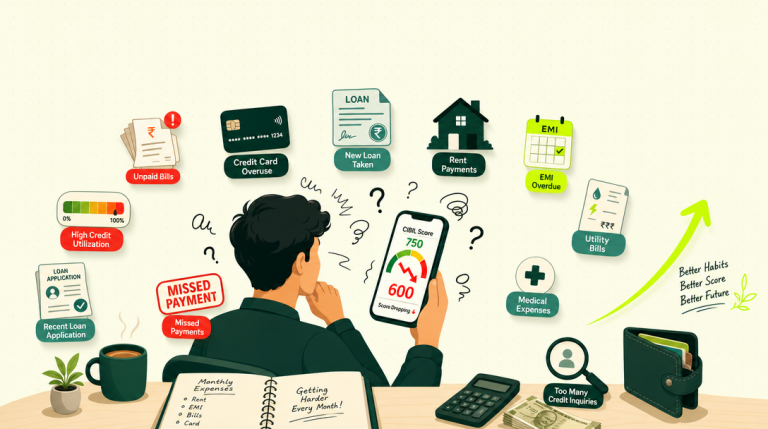
Taking a personal loan, and repaying it responsibly, can actually help build your credit history over time, provided every EMI is paid on time. Missing payments has the opposite effect and can meaningfully damage your score. The loan itself is a neutral tool; its effect on your credit depends entirely on how consistently you repay it.
When a Personal Loan Makes Sense, and When It Doesn’t
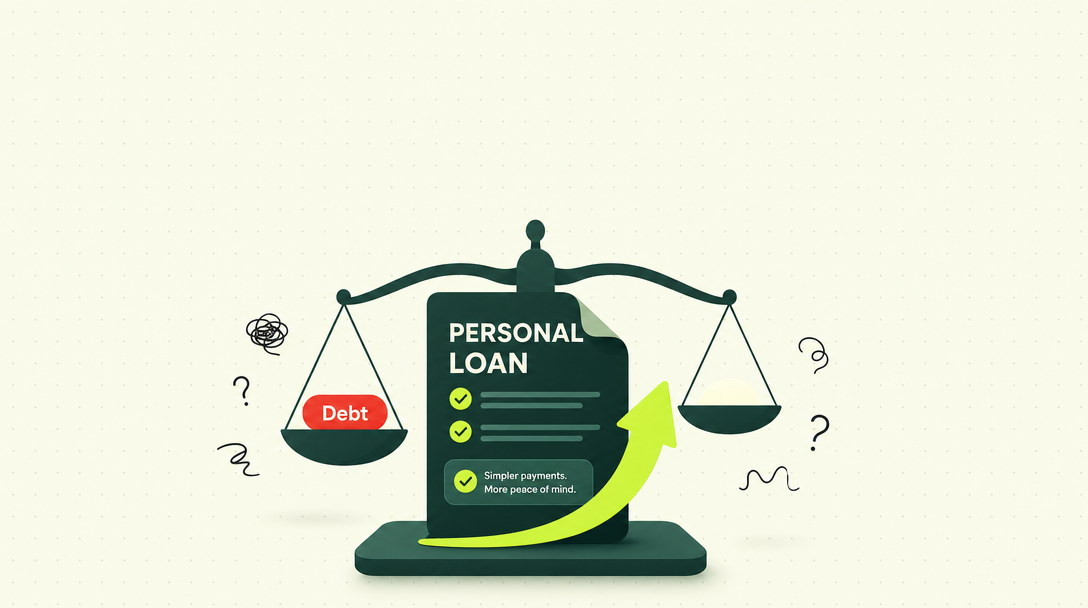
A personal loan makes sense for a genuine, defined need, a medical emergency, a planned expense, or consolidating higher-interest debt into one manageable payment. It makes less sense as a routine way to fund ongoing lifestyle spending, since the interest cost adds up, and repeated borrowing for non-essential spending can strain your finances over time.
How to Choose the Right Lender
Compare interest rates across multiple lenders, not just the first one you check. Look at the total cost, including processing fees, not just the advertised rate. Check the lender’s reputation and transparency, ideally through independent reviews. And confirm the lender is RBI-regulated before proceeding with any application.
Frequently Asked Questions About Personal Loans
Almost anything: medical expenses, travel, weddings, home renovation, debt consolidation, or any other personal need. Unlike a home or vehicle loan, there’s no restriction tied to a specific purchase.
No, most personal loans in India are unsecured, meaning no collateral is required.
Primarily by your credit score, income, and employment type, along with the specific lender’s own pricing policy.
Usually 12 months to 5 years, though some lenders offer longer tenures for larger loan amounts.
Yes. Many banks and NBFCs allow you to prepay or foreclose your personal loan before the scheduled tenure. However, some lenders may charge a prepayment or foreclosure fee, so it’s important to check the loan terms before making an early repayment.
Conclusion
A personal loan is one of the most flexible borrowing options available, allowing you to finance expenses such as medical emergencies, home renovations, weddings, travel, or debt consolidation without providing collateral. However, because personal loans are unsecured, they often carry higher interest rates than secured loans, making it important to borrow only what you need.
Before applying, compare multiple lenders, understand the total borrowing cost, review all charges, and choose a repayment tenure that comfortably fits your budget. Most importantly, make every EMI payment on time. Responsible repayment not only helps you avoid penalties but also strengthens your credit history and improves your chances of qualifying for better loan offers in the future.
Considering your first personal loan? Check your eligibility with TapTap across 20+ lenders, with zero impact on your credit score.