






A loan rejection letter usually states a specific reason, even if it’s brief. Read it carefully, not just the fact that you were declined. This guide shows you exactly what to look for and how to use it before reapplying.
Why the Reason Matters More Than the Rejection Itself
A rejection alone tells you nothing useful. The stated reason tells you what to fix. Skip past it, and you risk applying again with the same issue. And getting the same result.
Common Reasons You’ll See
Low credit score. High existing debt, compared to income. Not enough income for the amount you asked for. Missing or inconsistent documents. A recent job change. Too many recent credit checks.
What a Vague Rejection Might Mean
Sometimes the letter just says “does not meet eligibility criteria.” Nothing more. In this case, call the lender directly. Many will share more detail, even if it wasn’t in the original letter.
A Quick Reference Table
| Stated Reason | What to Do Next |
|---|---|
| Low credit score | Improve your score before reapplying |
| High existing debt | Pay down debt, or consolidate first |
| Insufficient income | Apply for a smaller amount, or add a co-applicant |
| Document issues | Fix and resubmit with a different lender |
| Too many inquiries | Wait a few months before applying again |
How to Check Your Credit Report After a Rejection
Most rejections trace back to something on your credit report. Pull it directly. Look for the specific issue the letter mentioned. This confirms the reason. And shows exactly what needs to change.
Should You Reapply Immediately?
Usually not right away. Applying again with the same unresolved issue often gets the same result. Plus, another inquiry on your report. Fix the specific reason first. Then apply again, from a stronger position.
What If You Disagree With the Stated Reason?
Letter cites something you think is wrong? A debt that isn’t yours. A score that seems off. Pull your credit report and check directly. Errors do happen. Fixing one can change your eligibility.
How Long Should You Wait Before Trying Again?
Depends on the reason. A document issue might be fixed in days. A credit score issue often needs months of real improvement first.
A Realistic Example
Someone gets rejected, citing high existing debt relative to income. They check their FOIR and find it’s genuinely close to most lenders’ limits. Rather than reapplying elsewhere blindly, they consolidate two smaller debts into one lower-EMI loan first. Their FOIR improves. Their next application succeeds.
Why Checking Multiple Lenders Can Help Even Without Changing Anything
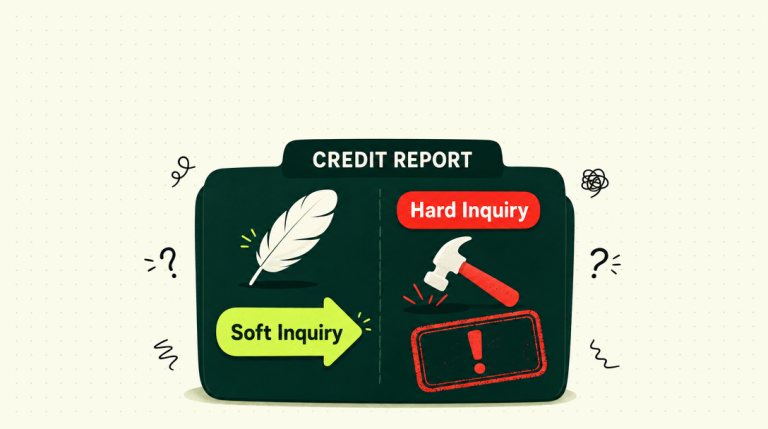
Different lenders assess the same profile differently. A rejection at one doesn’t guarantee rejection everywhere. Once you’ve addressed any real issue, checking eligibility across several lenders, through one soft inquiry, is safer than reapplying individually and repeatedly.
Frequently Asked Questions
Some lenders provide only a general statement. Contact them directly for more specific details, which many will share on request.
The credit inquiry from the application stays for a period, but the rejection decision itself isn’t a separate permanent mark.
Sometimes, especially if you can provide additional documentation or clarify a misunderstanding. It’s worth asking directly.
Address the specific reason first, if possible. Then check multiple lenders through a soft inquiry, rather than reapplying blindly.
Multiple applications in a short period can create several credit inquiries, which may affect how lenders view your profile. Fix the underlying issue and avoid repeated applications until you’re in a stronger position.
Conclusion
A loan rejection is not necessarily the end of the road. The important step is understanding why the lender declined your application and fixing that specific issue before trying again. Check your credit report, review your existing debt and income, and correct any document or information errors.
Avoid submitting multiple applications immediately, as repeated inquiries can make your profile look riskier. If the rejection reason is unclear, contact the lender and ask for more detail. Once the underlying problem is addressed, compare suitable lenders and apply from a stronger financial position.
Been rejected and not sure why? Check your eligibility with TapTap across 20+ lenders, with zero impact on your score.