





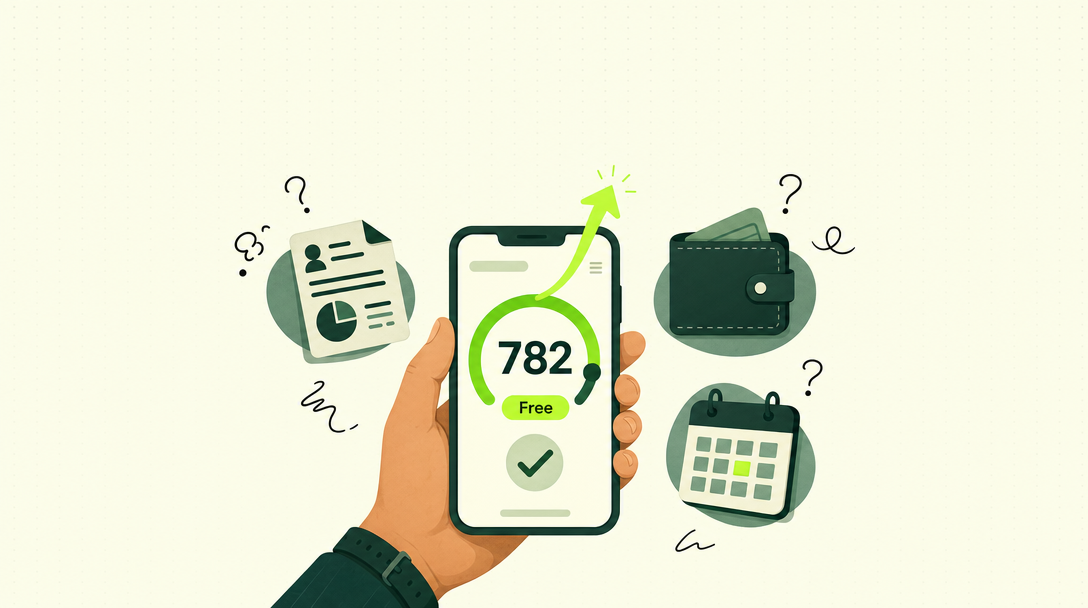
You can check your CIBIL score for free through the official CIBIL website, which offers one free check per year, or through many bank and fintech apps that provide unlimited free checks as a regular feature. This guide covers every legitimate method and what to actually look for once you see your score.
Why Checking Your Score Matters
Your CIBIL score affects nearly every borrowing decision you’ll make, from a personal loan to a home loan to a new credit card. Checking it regularly helps you understand where you stand before applying anywhere, catch errors before they cause a rejection, and track whether your financial habits are actually improving your credit profile over time.
Method 1: The Official CIBIL Website
TransUnion CIBIL, the bureau itself, offers one free credit score and report check per calendar year, directly through their official website. This is the most authoritative source, since it comes straight from the bureau. You’ll need to verify your identity with basic KYC details, PAN, and some personal information to access it.
Method 2: Bank and Fintech Apps
Many banks and financial apps now offer free, often unlimited, CIBIL score checks as a built-in feature. These pull your score through an authorized API connection to the bureau, so the number you see is accurate and current, not an estimate.
This has become one of the most convenient ways to check regularly, since it doesn’t count against the bureau’s own annual free-check limit, and many apps also show basic report details alongside the score.
Method 3: Through a Loan or Credit Card Application
When you apply for a loan or credit card, the lender pulls your score as part of underwriting. Some lenders share this score with you directly, whether or not your application is approved, giving you a free look as a side effect of applying.
This isn’t a proactive checking method, since it only happens when you apply for something, and it typically involves a hard inquiry, which does cause a small, temporary score dip. It’s best treated as incidental information, not a primary checking strategy.
Does Checking Your Own Score Hurt It?
No. This is one of the most common misconceptions in personal finance. Checking your own score, through any of the methods above except a full loan application, is a soft inquiry. Soft inquiries have zero impact on your score, regardless of how often you check.
Only a hard inquiry, triggered when a lender checks your score as part of evaluating a loan or credit application, causes a small, temporary dip. Understanding this distinction should remove any hesitation about checking regularly.
How Often Should You Check?
There’s no downside to checking monthly, given that self-checks don’t affect your score at all. A reasonable habit is checking once a month if you’re actively working on improving your score, or once every few months if your credit situation is stable and you’re just keeping an eye on things.
Checking right before a major loan application, a home loan especially, is particularly useful, since it gives you time to fix any errors or address a low utilization issue before the lender pulls your score themselves.
What to Look For Beyond Just the Number
The score itself is useful, but your full credit report contains much more valuable detail. Check that every account listed actually belongs to you; errors do happen, sometimes an account gets incorrectly attributed. Review your payment history for accuracy, confirming that on-time payments are actually reflected as such. Check your credit utilization across each card, not just the overall figure. And look for any old, resolved issues that might still be showing as active or unresolved.
What to Do If You Spot an Error
Errors on your credit report are more common than most people expect, and they can meaningfully hurt your score if left uncorrected. If you spot one, you can raise a dispute directly with CIBIL or through the lender who reported the incorrect information. Include supporting documentation, payment receipts, account closure letters, wherever possible, to speed up the resolution.
Free vs Paid Credit Monitoring Services
Beyond the free options, several paid services offer more frequent monitoring, alerts for changes to your report, and sometimes identity theft protection bundled in. For most borrowers, the free options are entirely sufficient; paid services add convenience and extra features, but aren’t necessary just to track your score responsibly.
A Simple Monthly Checking Routine
Pick a consistent day each month, perhaps when your salary arrives, to check your score through a free app or platform. Note any changes from the previous month, and if there’s a drop, review your recent credit activity to understand why. This small, consistent habit builds real awareness of your credit health over time, without requiring any special expertise.
What a Sudden Score Drop Might Mean
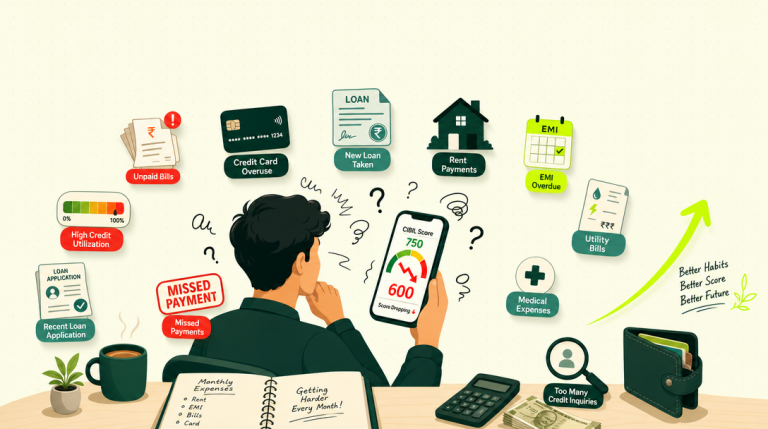
If you check and see an unexpected drop, a few common causes are worth investigating first. A new hard inquiry, perhaps from an application you forgot about. A rise in credit card utilization, even from spending you consider normal. A missed payment that hasn’t yet been resolved. Or, less commonly, an error that’s crept into your report. Identifying the cause quickly lets you address it before it compounds.
Building Score-Checking Into Your Broader Financial Habits
Checking your score shouldn’t happen in isolation from your broader financial picture. Pair it with a monthly review of your total EMI obligations, your credit card balances, and any upcoming financial decisions, such as a major purchase or a loan application, that your score might affect. This turns a simple number check into a genuinely useful part of managing your finances.
Frequently Asked Questions
Directly through CIBIL’s official website, once per year. Through many bank and fintech apps, checks are often unlimited and free, since these use a different access method that doesn’t affect the bureau’s own free-check allowance.
No. Checking your own score is a soft inquiry, which has zero impact. Only a hard inquiry, triggered by an actual loan or credit application, causes a small, temporary dip.
Both pull the same underlying score from the bureau, so accuracy should be identical. The official website may show additional report detail not always included in third-party apps.
Raise a dispute directly with CIBIL, or through the lender who reported the incorrect information, including any supporting documentation you have.
Generally yes, provided the app is a legitimate, recognized platform with proper security. Avoid apps that ask for excessive permissions unrelated to a simple score check.
Conclusion
Regularly checking your CIBIL score is one of the simplest ways to stay in control of your financial health. Whether you use the official CIBIL website or a trusted bank or fintech app, reviewing your score helps you identify errors, monitor your credit progress, and prepare for future loan or credit card applications with confidence.
Most importantly, remember that checking your own score does not reduce it. By making score checks a monthly habit and maintaining responsible credit behavior, you can improve your credit profile over time and increase your chances of securing better loan approvals and lower interest rates.
Want to see how your current score affects your loan options? Check your eligibility with TapTap across 20+ lenders, with zero impact on your score.