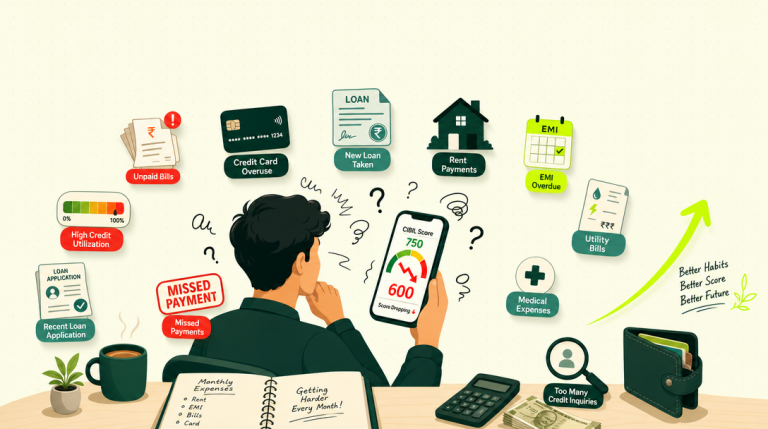






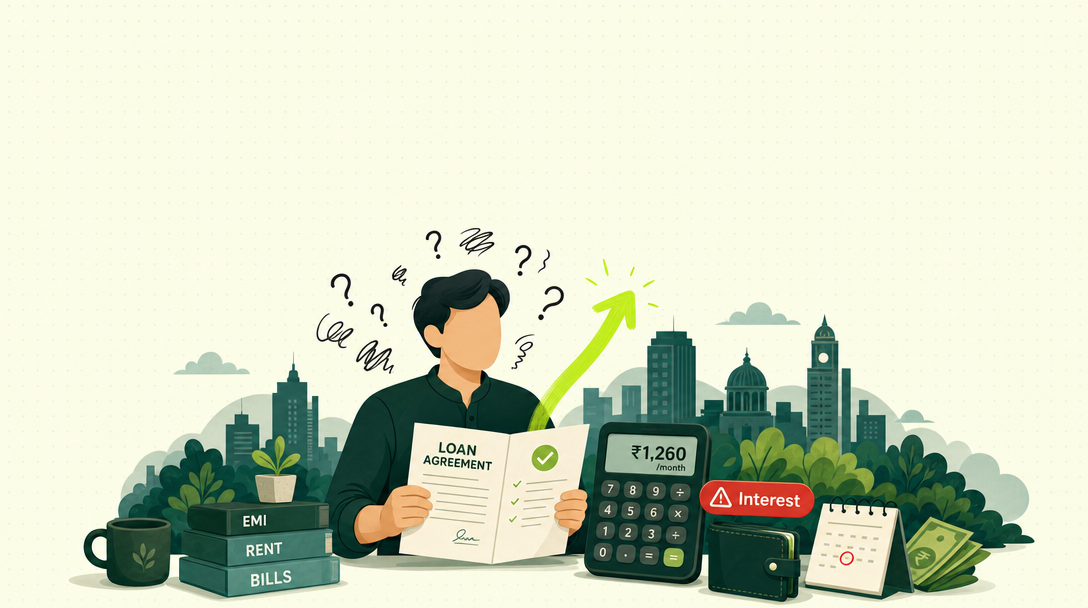
A small ticket personal loan is a smaller loan amount, typically ₹5,000 to ₹1,00,000, designed for quick, specific needs. This guide explains how they work, what they cost, and when they’re the right fit.
What Counts as “Small Ticket”
There’s no single official cutoff, but in India’s lending market, this usually means loans from a few thousand rupees up to around ₹1,00,000, sometimes ₹2,00,000. Above this range, loans are typically treated as standard personal loans, with a different assessment process.
Why These Loans Exist as a Separate Category
Larger personal loans need thorough income verification and can take days to process. Small ticket loans are built for speed, often approved within minutes, using simpler, faster verification methods suited to a smaller, lower-risk amount.
Who Typically Uses Small Ticket Loans
First-time borrowers without an extensive credit history yet. Young professionals, needing a quick, modest amount for a specific expense. Anyone facing a small, urgent need, a minor repair, a short-term cash gap, where a full loan application feels disproportionate.
How Eligibility Differs From Standard Personal Loans
Many small ticket lenders accept lower minimum income thresholds, sometimes as low as ₹10,000 to ₹15,000 monthly. Credit score requirements are often more flexible too, since the smaller amount represents less risk to the lender.
What They Cost
Interest rates on small ticket loans often run higher than standard personal loans, sometimes considerably so, reflecting the lender’s higher relative cost of processing and risk on a smaller amount. Always check the effective annual rate, not just what’s advertised as a daily or short-term figure.
A Quick Comparison Table
| Factor | Small Ticket Loan | Standard Personal Loan |
|---|---|---|
| Amount range | ₹5,000-₹1,00,000 | ₹1,00,000 and above |
| Approval speed | Minutes to hours | 1-3 days typically |
| Income requirement | Often lower | Higher minimum |
| Interest rate | Often higher | Often lower |
| Documentation | Minimal | More thorough |
Why the Rate Is Often Higher
Processing a loan, regardless of size, involves real fixed costs for the lender: verification, technology, and risk assessment. On a smaller loan amount, these costs represent a larger share of the total, which often gets reflected in a higher effective rate compared to larger loans.
A Worked Example
Borrow ₹30,000 through a small ticket loan, at an effective rate around 24% annually, over 6 months. Your total interest cost, while modest in rupee terms given the small amount, still represents a meaningfully higher rate than what a larger, standard personal loan might offer for the same borrower profile.
When a Small Ticket Loan Makes Sense
For a genuinely small, short-term need, where the amount and urgency don’t justify a full personal loan application. It’s also a reasonable way to start building credit history, if managed responsibly, for borrowers with limited prior credit activity.
When It Might Not Be the Best Choice
If you’re borrowing small amounts repeatedly, rather than as an occasional, specific need, the cumulative interest cost across multiple small loans can add up to more than a single, larger, better-rate loan would have cost for the same total amount.
How to Avoid the Repeat-Borrowing Trap
If you notice you’re taking several small-ticket loans across a short period, step back and calculate your actual total need. A single, appropriately-sized loan, even if it takes slightly longer to process, often costs meaningfully less than several smaller ones stacked together.
Does This Type of Loan Help Build Credit?
Yes, provided the lender reports to credit bureaus, and you repay on time. This makes small-ticket loans a genuinely useful tool for borrowers building credit history from scratch, though the impact on your score is naturally modest given the loan’s small size and short tenure.
What to Check Before Taking One
Confirm the effective annual interest rate, not just a daily or weekly figure that can look deceptively small. Check all fees, since processing charges can represent a larger percentage on smaller amounts. And confirm the lender is RBI-regulated; the same checks that apply to any loan apply here too.
Frequently Asked Questions
Generally, loans ranging from a few thousand rupees up to around ₹1,00,000-₹2,00,000, though there’s no single official cutoff across the industry.
Often yes, since fixed processing costs represent a larger share of a smaller loan amount, typically reflected in a higher effective interest rate.
Yes, if the lender reports to credit bureaus and you repay on time, though the impact is modest given the loan’s small size.
Often yes, if your total need across multiple small loans adds up meaningfully, a single, appropriately sized loan usually costs less overall.
Check the interest rate, processing fee, late charges, total repayment amount, and whether the lender reports repayments to credit bureaus. A small loan can still become expensive if fees are high.
Conclusion
Small ticket personal loans can be useful for short-term, limited funding needs, but their convenience can come with higher effective costs. Compare the total repayment amount rather than focusing only on the EMI or advertised interest rate. If you need a larger amount across several expenses, compare whether one suitable loan would be more cost-effective than taking multiple small loans.
Need a loan sized right for your actual need, not too small or too large? Check your options with TapTap across 20+ lenders.