





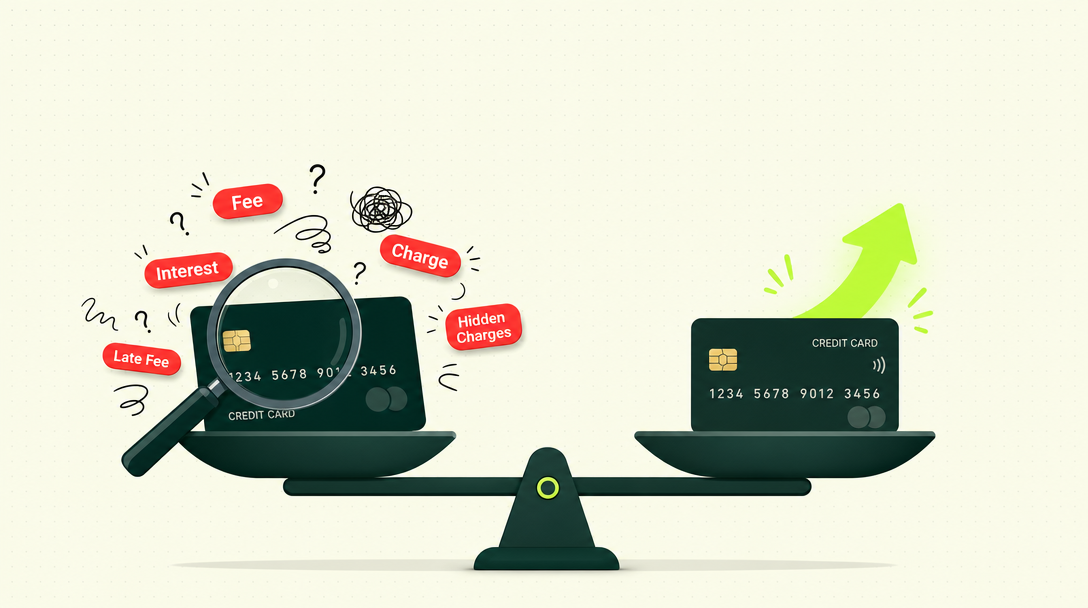
Balance transfer fees typically include a processing fee on the new loan, a possible foreclosure charge on the old one, and minor documentation costs. Understanding all of them before switching prevents a surprise that erases your expected savings.
Foreclosure Charge on Your Old Loan
If you’re transferring a personal loan, check whether your existing lender charges a foreclosure fee. RBI bans this charge on floating-rate personal loans for individual borrowers, but fixed-rate loans may still carry one, typically 2-5% of the outstanding amount.
Processing Fee on the New Loan
Your new lender will typically charge a processing fee, usually 0.5-2% of the transferred amount. This is a standard cost of taking any new loan, not specific to balance transfer, but it directly affects your net savings calculation.
Credit Card Balance Transfer Fee
For credit card balance transfers specifically, expect a transfer fee of 1-3% of the amount moved, charged upfront by the new card issuer. This applies regardless of whether the promotional rate is 0%.
Stamp Duty and Documentation Charges
Some loan agreements, particularly for larger amounts, may involve minor stamp duty or documentation charges. These are usually small relative to processing fees, but worth confirming, since they add to your total switching cost.
How to Calculate If It’s Still Worth It
Add up every fee involved, foreclosure charge, processing fee, any documentation cost, and compare this total against your expected interest savings over the time you’ll hold the new loan. If the savings clearly exceed the combined fees, the transfer is worth it. If the gap is thin, run the numbers carefully before committing.
A Break-Even Example
Say switching saves you ₹1,500 a month in EMI, but costs ₹8,000 in combined fees. Your break-even point is roughly 5-6 months, after which every month is pure savings. If you plan to hold the new loan for years, this is a clear win. If you might close or transfer again within a few months, the fees eat more of the benefit.
Hidden Charges Worth Specifically Asking About
Beyond the obvious fees, ask about a few less-discussed charges. Whether a part-prepayment fee applies on the new loan, in case you want to pay down extra later. Whether there’s a penalty for early closure of the new loan itself, which would matter if your circumstances change again. And whether any insurance or add-on product is bundled into the new loan without a clear, separate cost breakdown.
Why Some “0% Interest” Offers Aren’t Actually Free
A 0% balance transfer offer on a credit card still typically carries an upfront transfer fee. This means the offer isn’t literally free; it’s interest-free during the promotional window, with a one-time cost charged regardless of how quickly you repay. Always read this distinction carefully before assuming “0%” means “no cost at all.”
How to Get the Full Fee Picture Before Committing
Ask your prospective new lender for a complete, written breakdown of every fee involved, not just the headline processing fee. Compare this full breakdown across multiple lenders, not just the advertised rate, since a lower rate with hidden fees can sometimes cost more than a slightly higher rate with full transparency.
Frequently Asked Questions
No. RBI bans foreclosure charges on floating-rate personal loans for individual borrowers. Fixed-rate loans and business loans may still carry a charge.
Typically 0.5-2% of the transferred amount for personal loans, and 1-3% for credit card balance transfers.
Add up all fees involved, and compare the total against your expected interest savings over the time you’ll hold the new loan. A clear savings margin, after fees, confirms it’s worth doing.
Sometimes. Ask specifically about part-prepayment charges, early closure penalties on the new loan, and any bundled insurance or add-on products.
Considering a balance transfer? Check your real savings after fees with TapTap’s calculator full transparency, no surprises.