





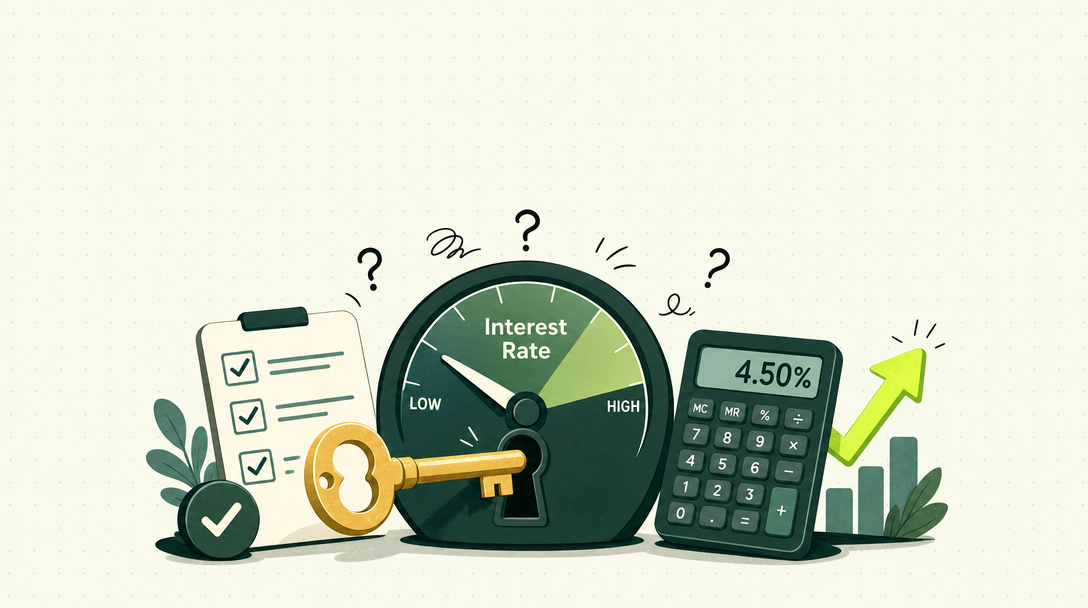
Qualifying for the lowest personal loan interest rate comes down to five things. Your credit score. Your income. Your existing debt. Your employment stability. And the lender you choose. This guide covers exactly how to strengthen each one.
Why “Lowest Rate” Isn’t the Same for Everyone
Advertised rates show a “starting from” number. Very few borrowers actually get it. Your real rate depends entirely on your specific profile, which is why understanding what drives it matters more than chasing a headline number.
Factor 1: Your Credit Score
This is usually the single biggest lever. A score above 780 typically unlocks the lowest rates available anywhere. Even a jump from 700 to 780 can meaningfully improve your offer.
Factor 2: Your Income Level and Stability
Higher, well-documented, stable income signals lower risk. Lenders offering their best rates typically reserve them for applicants with strong, verifiable income- not just a high number, but a consistent one too.
Factor 3: Your Existing Debt (FOIR)
A low FOIR, meaning little of your income is already committed to other EMIs, gives lenders more confidence. This can unlock both a better rate and a higher eligible amount.
Factor 4: Your Employment Type and Tenure
Salaried applicants at stable, established employers, with a longer tenure in their current role, often see marginally better offers than newer employees or less established self-employed profiles, all else equal.
Factor 5: The Lender You Choose
This is the factor most borrowers underweight. The same profile can get meaningfully different rates from different lenders, since each prices risk using its own internal model.
A Quick Reference Table
| Profile Strength | Typical Rate Range |
|---|---|
| Excellent (780+, low FOIR, high income) | 10.5%-12% |
| Good (720-779, moderate FOIR) | 12%-15% |
| Fair (650-719) | 15%-19% |
| Below 650 | 19%+, mostly NBFCs |
How to Strengthen Your Profile Before Applying
Check and improve your credit score in the months before applying; even small improvements matter. Pay down smaller existing debts to lower your FOIR. Avoid changing jobs right before a major application, if possible. And gather clean, consistent income documentation in advance.
Does Applying With a Co-Applicant Help?
Yes, often significantly. A co-applicant with strong, independent income can improve your combined profile, sometimes unlocking a meaningfully better rate than either applicant would qualify for alone.
Why Comparing Multiple Lenders Matters So Much
Even with an identical, strong profile, rates can vary by several percentage points across different lenders. Accepting the first offer you receive, without comparing, is one of the most common ways borrowers leave real savings on the table.
A Worked Example of the Real Cost of Not Comparing
Borrow ₹5,00,000 over 4 years. At 11%, your EMI runs roughly ₹12,900. At 15%, it climbs to roughly ₹13,900. That gap, ₹1,000 a month, adds up to nearly ₹48,000 in extra interest across the tenure, purely from not comparing lenders.
Timing Your Application Strategically
Apply when your profile is at its strongest. Right after a raise, once documented. After several months of clean, on-time payments on existing credit. Before, not after, any planned major purchase that would add to your existing debt.
What to Avoid While Building Toward a Better Rate
Don’t apply to multiple lenders individually in a short window, since each hard inquiry causes a small dip that can work against you. Don’t close old credit accounts right before applying, since this can shorten your credit history unexpectedly. And don’t assume a “starting from” rate applies to you without confirming your actual offer.
How to Negotiate Once You Have an Offer
It’s always worth asking directly whether a lender can improve their initial offer, especially if you have a competing quote or a particularly strong profile. Not every lender has room to negotiate, but many do, especially for existing customers or clearly strong applicants.
A Realistic Path to the Best Rate You Can Get
Start by knowing your current score and FOIR precisely. Spend a few months improving whichever is weaker, if time allows. Gather strong, consistent documentation. Then check your eligibility across multiple lenders at once, comparing real offers rather than advertised rates, before committing to any single one.
Frequently Asked Questions
Generally, 780 or above unlocks the most competitive rates available, though 720+ still supports reasonably good offers.
Yes. Rates for an identical profile can differ by several percentage points across lenders, translating into real savings over a loan’s tenure.
It’s always worth asking, particularly with a strong profile or a competing offer. Not every lender has flexibility, but many do.
Sometimes, modestly. Stable, established employers can occasionally unlock marginally better offers, though your score and income typically matter more.
Lenders may also consider your income, employment stability, existing debts, repayment history, loan amount, tenure, and overall credit profile.
Conclusion
Your credit score is important, but it is not the only factor that determines your personal loan rate. A strong repayment history, stable income, manageable existing debt, and a good overall profile can help you qualify for better offers. Comparing multiple lenders and negotiating when possible can also reduce your borrowing cost over the loan tenure.
Want to see your actual best rate across multiple lenders? Check with TapTap for a soft check and real comparable offers.