





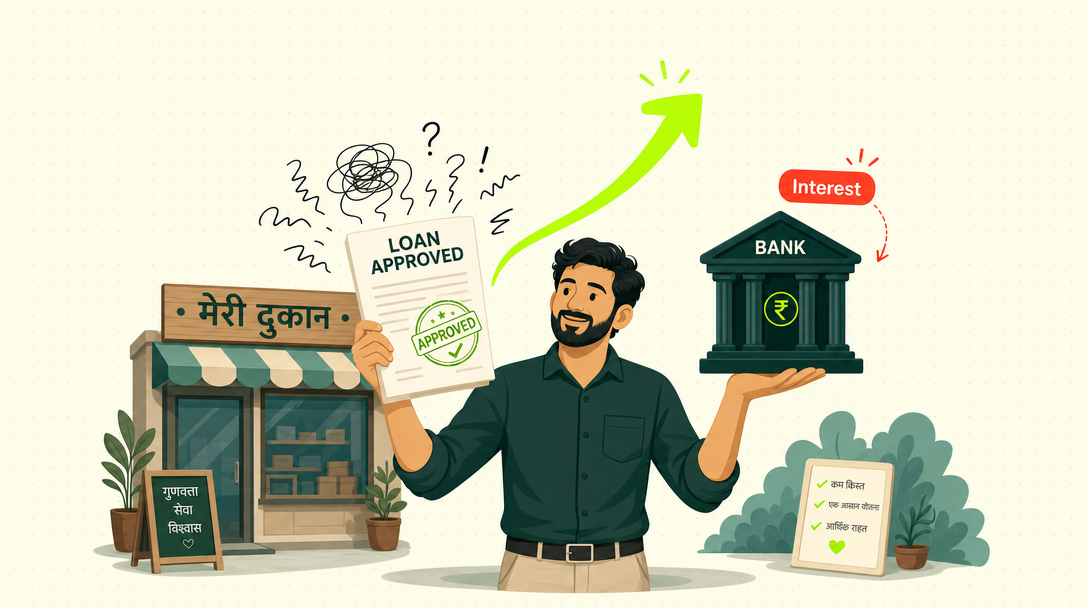
Getting a commercial loan for a small business in India starts with three things. Registering under MSME or Udyam, keeping clean financial records, and choosing the right lender for your business size. This guide covers the full process.
Why Small Businesses Struggle to Get Approved
Larger businesses have longer track records, bigger financial cushions, and more collateral to offer. Small businesses often have thinner credit files, shorter operating histories, and less to pledge. This makes lenders more cautious, but it doesn’t mean approval is out of reach.
Eligibility for Small Business Owners
- Business vintage: Many lenders accept 1-2 years for smaller loan amounts, though 2-3 years unlocks better terms.
- Turnover: Minimum requirements vary, but many NBFCs work with businesses earning ₹10-20 lakh annually.
- Credit score: Both the business’s (if it has credit history) and the owner’s personal score matter.
- GST and ITR filings, consistent and up to date.
The MSME and Udyam Registration Advantage
Registering your business under Udyam, India’s MSME registration framework, can meaningfully improve your access to credit. Many lenders have dedicated MSME loan products with more flexible terms, and some government schemes offer collateral-free lending specifically for registered MSMEs.
Registration is free and can be completed online, making it one of the easiest ways to improve your loan eligibility before applying.
Documents Checklist
- KYC for all owners or partners
- Udyam or MSME registration certificate
- GST registration and returns
- 2-3 years’ ITR
- 6-12 months’ bank statements
- A brief business plan, for larger loan amounts
Step-by-Step Application Process
- Register under Udyam, if you haven’t already.
- Organize your financial documents, ITR, GST returns, and bank statements.
- Check eligibility across multiple lenders, since criteria vary meaningfully by lender type.
- Submit your application, with all supporting documents ready.
- Respond promptly to any follow-up requests, since delays here often slow approval.
How to Improve Your Approval Odds
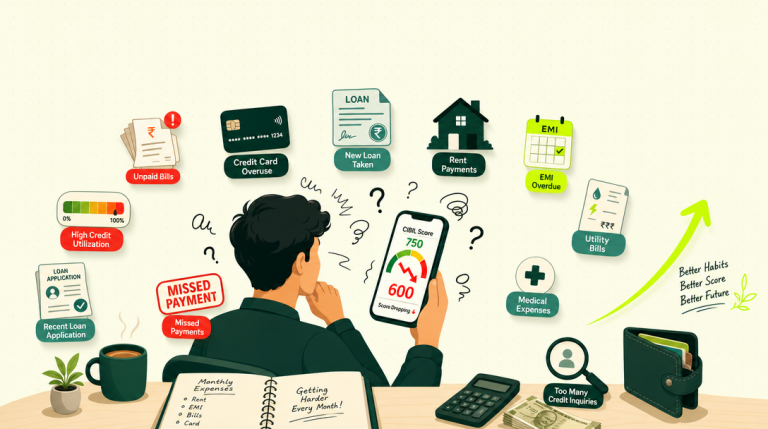
Keep your GST filings current and consistent, since gaps raise questions. Separate your personal and business banking, so your business income is easy to trace cleanly. Build a personal credit score above 700 if possible, since this matters even for business lending. And start with a realistic loan amount, based on your actual repayment capacity, rather than the maximum you might technically qualify for.
Can a New Business Get a Commercial Loan?
Yes, though options are more limited. Newer businesses, under one year old, may need to rely more heavily on the promoter’s personal credit strength, or offer collateral to offset the lack of business track record. Some NBFCs specifically cater to newer businesses, at a modestly higher rate.
Government Schemes Worth Knowing About
Beyond standard bank and NBFC lending, several government-backed schemes specifically support small business credit, often with collateral-free options or subsidized rates for eligible businesses. These change periodically, so checking current scheme availability through your bank or a business advisor is worth doing before assuming only standard commercial loans are available to you.
A Realistic Timeline
For a well-documented small business, unsecured working capital loans through an NBFC can often be approved within a week. Secured loans, or applications through banks with stricter documentation requirements, typically take longer, sometimes 2-4 weeks.
Frequently Asked Questions
Yes, it can. Many lenders have dedicated MSME loan products, and some government schemes offer more favorable terms specifically for registered MSMEs.
This varies, but many NBFCs work with businesses as young as 1-2 years, especially with strong personal credit or available collateral.
It’s harder, but possible, particularly through NBFCs willing to weigh the promoter’s personal credit strength more heavily.
Yes, some lenders and government-backed schemes offer collateral-free lending for registered MSMEs, though amounts are typically more limited than secured options.
Ready to explore your options? Check your eligibility with TapTap across 20+ banks and NBFCs for your small business.