





A recovery agent calls. The voice is reasonable, almost friendly. “Sir, you owe ₹1.8 lakh on your personal loan. We are willing to settle for ₹1 lakh. Pay this and your loan is closed. We will give you a No-Dues Certificate.”
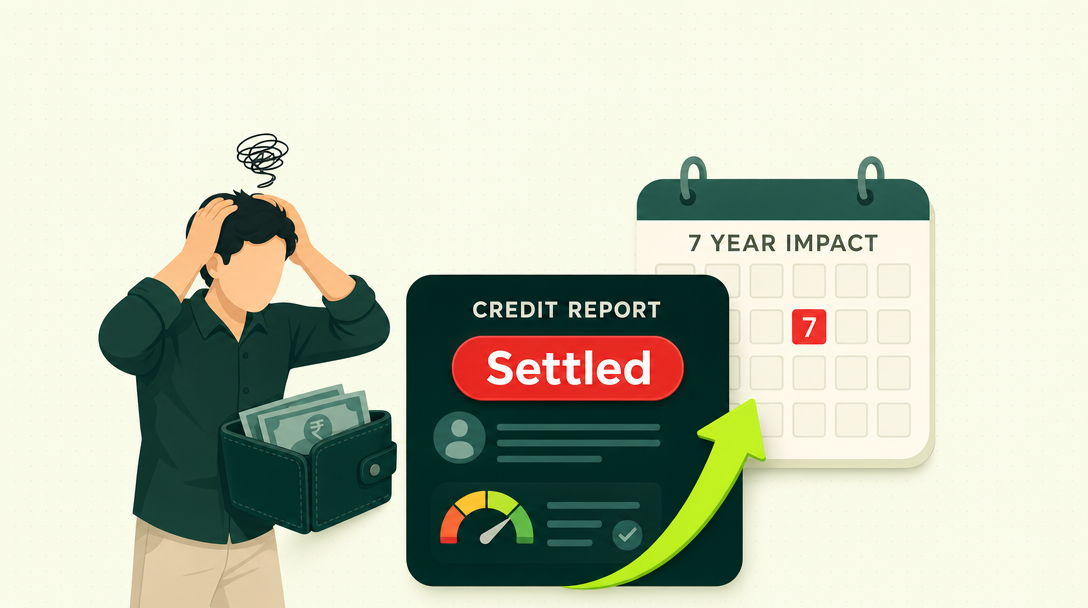
It sounds like a gift. Pay ₹1 lakh, save ₹80,000, walk away. Many Indian borrowers say yes. And then, two years later, they apply for a home loan, a car loan, or even a credit card — and get rejected. The reason: their CIBIL report shows the word “SETTLED” next to that old loan. And that word costs them, on average, seven years of credit life.
This guide is the honest counter to every “loan settlement” article you have read. Settlement is sometimes the right answer. Mostly, it is not. The smarter path — closure, restructure, or consolidation — is almost always available if you know how to ask. Here is everything banks do not advertise about the difference between settlement and closure, and how to choose the right one for your situation.
Settlement vs Closure: The Definitions That Matter
| Term | What It Means | CIBIL Reporting | Lender Impact on You |
|---|---|---|---|
| Loan Closure | You repay the entire outstanding principal + interest + charges in full | Status: “CLOSED” | Clean record; future loans approved normally |
| Loan Settlement (OTS) | You pay less than the full outstanding, lender writes off the rest | Status: “SETTLED” | Negative remark; future loans hard to get for 7 years |
| Write-off | Lender unilaterally writes off the loan as bad debt | Status: “WRITTEN-OFF” | Most damaging; future loans nearly impossible |
| Restructure | Lender modifies the loan terms (tenure, EMI, sometimes principal) | Status: “RESTRUCTURED” | Mild negative; better than settlement |
The difference between “Closed” and “Settled” is one word on your CIBIL report. But that one word changes the next decade of your financial life.
How “Settled” Damages Your CIBIL
The CIBIL report has a section called “Account Status.” When a loan is settled, this section shows “Settled” or “Post Write-off Settled.” This remark stays on your CIBIL report for 7 years from the date of settlement.
During these 7 years, here is what happens when you apply for a new loan:
- Banks: Auto-reject. Most banks have a hard rule against any “settled” account in the last 5–7 years.
- NBFCs: Manual review. They might approve at much higher rates (3–6% above standard).
- Home loans: Almost universally rejected. Home loans use the most conservative underwriting.
- Credit cards: Premium cards rejected. Basic cards from your existing bank sometimes approved.
- Co-applicant impact: If you apply jointly with a spouse, their CIBIL is also pulled and your settlement may impact joint approvals.
The actual CIBIL score drop on settlement varies, but typically:
- Score drops 75–150 points immediately on settlement.
- Recovery to original level takes 3–5 years of disciplined repayment of other credit lines.
- The “settled” remark, however, stays for 7 years regardless of how high your score recovers.
Real Numbers: The Cost of Settlement
Imagine a borrower with a ₹5L personal loan who settles for ₹3L. On the surface, they “saved” ₹2L. But over the next 7 years:
- They cannot get a home loan when they need it (or pay 3% higher rate for an NBFC home loan = ₹25–40L extra interest over tenure).
- They cannot get a competitive credit card. They use a higher-fee, lower-limit alternative.
- Their next personal loan, if approved at all, comes at 20–26% instead of 11–13%. That premium on a ₹5L loan over 4 years is ₹70,000–90,000.
- Insurance premiums sometimes go up because credit-based insurance scoring is increasing in India.
The ₹2L “saved” often becomes ₹5L–20L lost over the long run. This is why we are direct with borrowers: settlement is a last-resort move, not a clever shortcut.
Why Banks Push Settlement
Banks do not push settlement out of kindness. They push it because:
- Recovering 60–80% of an overdue loan is better for them than recovering 0% through litigation.
- Once a loan crosses 90 days overdue, RBI rules require the bank to set aside provisioning. Settling closes the file faster.
- Recovery agents get paid commissions on collections. Settlement is the easiest collection.
- It reduces the bank’s NPA ratio, which affects their regulatory capital.
Understanding this changes the negotiation. You are not asking for a favour — you are doing the bank a favour by closing their file. This gives you leverage to negotiate “closed” status instead of “settled”.
When OTS Genuinely Makes Sense (3 Narrow Cases)
Settlement is the right call only in these specific situations:
Case 1: You will not borrow again for 7+ years
If you are 55+, debt-free except this one loan, and will not need credit again, then “settled” on your CIBIL has no practical cost. Take the discount.
Case 2: The loan is already written off
If the bank has already written off the loan (you’ll see this on your CIBIL), settlement upgrades “written-off” to “settled.” Slightly less damaging, similar timeline.
Case 3: Litigation is imminent and the principal is small
If the bank has issued a legal notice, the borrower has no defence, and the loan size is small (under ₹1L), settling avoids legal costs that exceed the discount.
Outside these three cases, settlement is rarely the optimal move.
Smarter Alternatives to Settlement
Alternative 1: Negotiate to pay full amount, mark as “Closed”
Even if the bank initially demands the full amount, ask for a waiver of penal interest and late fees while paying the principal in full. This usually gets you “Closed” status — no CIBIL damage — while reducing your actual cash outflow.
Alternative 2: Request restructuring
Ask the bank to restructure: extend the tenure, reduce the EMI, sometimes a small principal cut. CIBIL still shows “Restructured” which is mildly negative but recoverable in 12–18 months — vs 7 years for settled.
Alternative 3: Consolidate the loan with a fresh lender
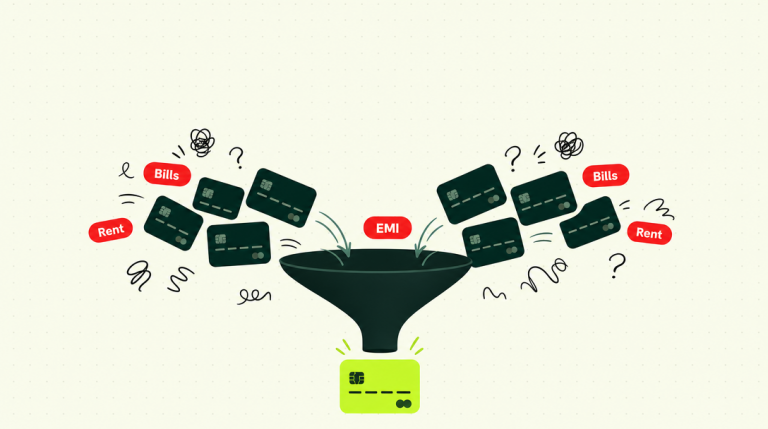
Take a fresh personal loan from another bank or NBFC, use it to pay off the defaulted loan IN FULL, and then repay the new loan on time. The original loan shows “Closed” on CIBIL. Your CIBIL recovers because the new loan is paid on time.
This is the most common path for borrowers who come to us at TapTap Loans. Read our complete guide to debt consolidation in India to see whether this fits your situation.
Alternative 4: Loan against asset
If you have an FD, mutual fund, gold, or insurance policy, take a loan against the asset (rates 9–12%) and use it to clear the defaulted loan. CIBIL recovers fully because the original loan is paid in full.
How to Negotiate “Closed” Status Instead of “Settled”
This is the single most valuable section of this blog. Most borrowers don’t know banks can be negotiated on the status reported to CIBIL.
The exact script:
“I want to pay the principal in full but I need the late payment penalty and penal interest waived. In return, I want the loan reported to CIBIL as ‘Closed’ and not ‘Settled.’ Can you send me a written agreement to this effect before I make the payment?”
The script works because:
- You are offering full principal recovery, which is the bank’s primary goal.
- Penal interest waiver is internal flexibility most branch managers have.
- CIBIL reporting is a procedural status — the bank can choose to report “Closed” if the principal is fully paid.
Always get this in writing before paying. After payment, request the No-Dues Certificate AND a written confirmation that CIBIL will be updated as “Closed.” Verify on CIBIL after 30 days.
If You Have Already Settled — How to Recover
If a settled loan is already on your CIBIL, here is the recovery playbook:
- Pay the difference. Some banks allow you to come back later, pay the waived amount, and upgrade the status from “Settled” to “Closed.” Worth asking.
- Build positive credit. Take a secured credit card, use it for small purchases, pay in full each month. After 18–24 months of disciplined positive credit, your CIBIL score recovers materially even if the settled remark stays.
- Wait it out. After 7 years from settlement date, CIBIL removes the remark automatically. Mark your calendar.
- Get a co-applicant. Until your CIBIL fully recovers, joint loans with a high-CIBIL co-applicant (spouse, parent) are your path to new credit.
Frequently Asked Questions
No. The “Settled” remark stays for 7 years from the settlement date. After that, CIBIL removes it automatically and the impact fades.
Yes, in some cases. If you go back to the bank later and pay the waived amount, you can request the status be updated. Not every bank agrees, but it is worth attempting.
Possible but difficult. Banks usually reject for 5–7 years. A small set of NBFCs may approve at significantly higher rates (20–26%). Building positive credit through secured cards in parallel helps.
Written-off is worse. “Settled” means you paid partially; “Written-off” means the bank gave up on recovery. CIBIL treats settled as slightly more recoverable, but both are serious negatives for 7 years.
Yes, and this is often the smarter move. If you take a fresh loan and use it to pay the original loan IN FULL (not as settlement), the original is marked Closed, and you have a regular loan to repay. This is the consolidation route.
Bottom Line
Settlement is a one-time discount with a seven-year tax. Closure is the same financial outcome with no tax. The work to convert one into the other is a few phone calls and one written agreement — but most borrowers never know to ask. Before signing an OTS letter, talk to a TapTap Loans advisor. Consolidation often closes the loan without the 7-year CIBIL damage. See our complete loan consolidation guide to understand whether this path fits your situation.