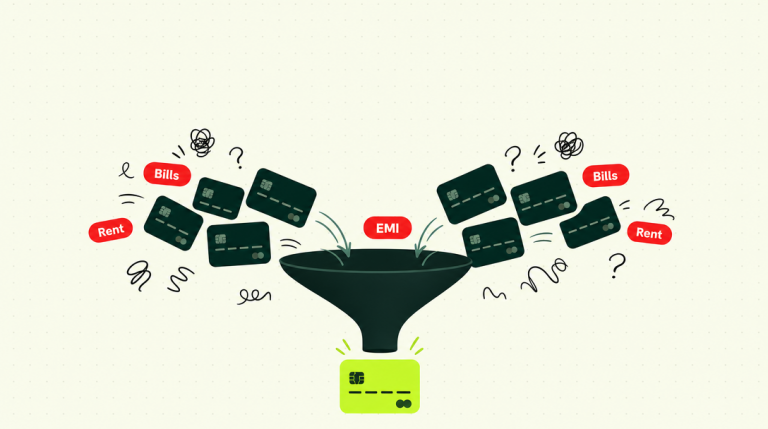







You already have a personal loan, home loan, or car loan. You need more money. Your existing lender offers a top-up — “Take ₹2 lakh more at the same rate, just one EMI to manage.” Sounds simple. But is it actually the cheapest option?
Top-up loans are aggressively marketed because they’re profitable for lenders and convenient for borrowers. The convenience is real. The cost-effectiveness depends on math you rarely see. This guide compares top-up loans against fresh personal loans and balance-transfer-plus-top-up combinations, with real EMI calculations, so you can choose the option that genuinely saves you money.
What is a Top-Up Loan?
A top-up loan is additional borrowing extended on top of an existing loan by the same lender. The features:
- Eligibility: You must have a clean repayment record on the existing loan (usually 12+ months of on-time EMIs).
- Interest rate: Usually the same as the existing loan, sometimes 0.25–1% higher.
- Tenure: Can be up to the residual tenure of the original loan, or sometimes longer.
- Documents: Minimal — the lender already has your KYC and income data.
- Disbursal: Often within 24–48 hours.
Types of Top-Up Loans
- Home loan top-up: Borrowed against an existing home loan. Cheapest because the home is collateral. Rates: 9–12%.
- Personal loan top-up: Borrowed on an existing personal loan. The rate is the same as the original or slightly higher. Typically 12–18%.
- Car loan top-up: Less common; usually for used car owners after 12+ months of repayment. Rates: 11–15%.
- Loan against credit card: Technically a top-up against your card limit. Rates:s 13–18% in structured EMI form.
Eligibility: How Lenders Decide
Top-up eligibility depends on:
- Clean repayment history for at least 12 months on the original loan.
- No bounced EMIs or late payments in the recent past.
- Current FOIR (existing EMIs + new top-up EMI) below 50–60% of income.
- CIBIL still in an acceptable range (usually 700+).
- For home loan top-up: residual property value supports the additional borrowing.
Banks tend to offer top-ups proactively via SMS or app notification to qualifying customers. This is the warmest lead you can get.
Interest Rate Comparison
| Loan Type | Typical Rate (2026) | Tenure | Best Use Case |
|---|---|---|---|
| Home loan top-up | 9–12% | Up to 20 years | Long-term needs; renovation |
| Personal loan top-up | 12–18% | Same as original residual | Bridging needs same lender |
| Fresh personal loan | 10.5–20% | 12–60 months | Larger or unrelated need |
| Balance transfer + top-up | 10.5–16% | 12–60 months | Multiple existing EMIs |
Real Cost Comparison: ₹3L Top-Up vs Fresh Loan
Scenario:
- You have an existing personal loan: ₹5L principal, 24 months tenure remaining, EMI ₹24,000, rate 13%.
- You need ₹3L more for 24 months.
Option A: Top-Up Loan @ 13% (same rate as existing)
- Top-up EMI: approximately ₹14,277
- Combined EMI (existing + top-up): ₹38,277/month
- Total interest on top-up: ₹42,648
- Processing fee on top-up: ₹1,500 (0.5%)
- Total cost of top-up: ₹44,148
Option B: Fresh Personal Loan @ 12% (better rate from competitor)
- Fresh loan EMI: approximately ₹14,122
- Combined EMI (existing + fresh): ₹38,122/month
- Total interest: ₹38,928
- Processing fee: ₹5,310 (1.5% + GST)
- Total cost of fresh loan: ₹44,238 — marginally higher despite lower rate
Option C: Balance Transfer existing + Top-Up @ 11%
- Refinance entire ₹5L existing + ₹3L new = ₹8L at 11%.
- EMI on ₹8L for 24 months @ 11%: approximately ₹37,254
- Total interest: ₹1,14,096
- Processing fee on ₹8L at 1%: ₹8,000
- Foreclosure on existing loan: usually 0–2% = ₹10,000 max
- Total cost v. status quo: Save ₹15,000–20,000+ depending on terms
The balance transfer + top-up combo (Option C) often wins when your existing loan rate is more than 1 percentage point above current market rates.
Our complete guide on personal loan balance transfer explains the break-even rules for when this combo saves real money.
When Top-Up Wins
- Speed matters: Top-up disbursal in 24–48 hours; fresh loan takes 3–7 days.
- Document burden: Almost no fresh paperwork.
- Small additional amount: For amounts under ₹1L, the convenience usually beats the marginal rate advantage of a fresh loan.
- Your CIBIL has slipped recently: Top-up assessment is lighter than fresh-loan underwriting; you may qualify when a fresh loan would reject.
When Top-Up Loses
- Your existing loan rate is more than 1% above market: Balance transfer + top-up at a new lender beats top-up at the old.
- You need a large amount (₹5L+): Fresh loan rates at this size are usually negotiable to a lower rate.
- Existing FOIR is already high: Top-up adds to it; a fresh loan with a longer tenure can reduce monthly burden.
- Existing lender is an NBFC; banks would now approve you: Move to a bank for a cheaper rate.
Top-Up vs Balance Transfer + Top-Up Combo
The balance transfer + top-up combo is one of the smartest moves available to disciplined borrowers, and most never use it because it sounds complicated. The mechanics:
- 1. You find a lender offering a balance transfer at a lower rate than your current loan.
- 2. The new lender pays off your existing loan and gives you a fresh loan at the lower rate.
- 3. Simultaneously, you take an additional top-up on this new loan for your fresh need.
- 4. Result: lower rate on existing balance + additional borrowing at the same lower rate, all under one EMI.
When the combo wins:
- Your existing loan rate is more than 1 percentage point above market.
- Your existing loan has at least 18 months remaining.
- Foreclosure charges on existing loan are minimal (under 3%).
- New lender processing fee is reasonable (1–1.5%).
Frequently Asked Questions
Usually no. Most lenders require 12 months of clean EMI payments before offering a top-up.
Often yes, sometimes 0.25–1% higher. The rate is usually “the same as your current effective rate,” which is the rate you started with plus any rate revisions.
Yes, usually 0.5–1% vs 1–2% for fresh loans. Top-up is the cheaper-fee option.
Some lenders allow repeated top-ups; others limit it to one. Each top-up requires meeting the underwriting criteria.
Top-up is treated as additional borrowing on the same account. A hard inquiry happens, but the existing account history continues. Properly serviced, a top-up is CIBIL-positive.
Bottom Line
Top-up is the convenient choice but not always the cheapest. For small additional needs and time-pressed borrowers, top-up wins on simplicity. For larger needs or when your existing loan rate is high, the balance transfer + top-up combo at a new lender usually saves real money.
TapTap Loans compares your top-up offer with fresh loan options. Sometimes a fresh loan saves you 1–2% even after closure costs.