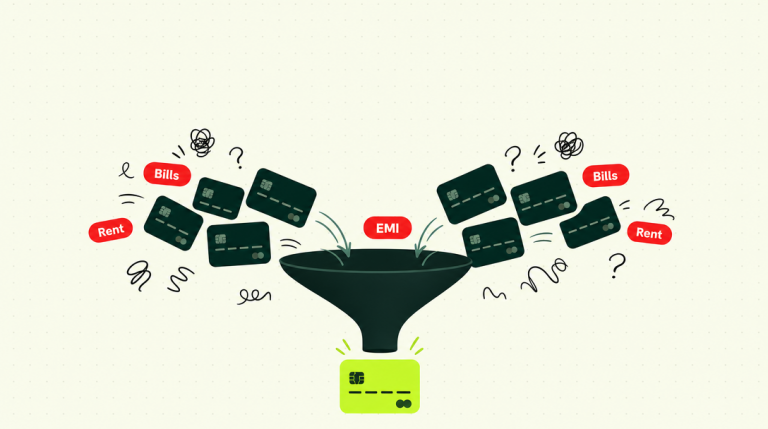







A personal loan top-up is one of the most overlooked credit products in India, and among existing loan customers, it is often the cheapest and fastest way to access additional funds. When it works, it saves you from taking a new loan at a potentially higher rate. When it does not, it extends your debt obligation in ways that are not always immediately obvious.
This guide explains exactly what a top-up loan is, which banks offer it, the real cost implications, and the specific scenarios where it is and is not the right financial decision.
What a Personal Loan Top-Up Is
A personal loan top-up is additional credit extended by your existing lender on top of your outstanding loan balance. It is a new disbursement with a different structure that may be merged with your existing EMI schedule or managed as a separate loan with the same lender.
The key difference from a new personal loan: the top-up typically involves minimal fresh documentation, no new KYC (since you are an existing verified customer), and approval decisions that are faster because the lender already has full visibility into your repayment history with them.
Top-up loans are distinct from balance transfer top-ups (where you move a loan to a new lender and take additional credit) and home loan top-ups (which use your property equity and carry significantly different terms).
How Top-Up Loan Eligibility Works
Lenders apply three primary criteria before approving a top-up:
- Repayment history on the existing loan: Most lenders require a minimum of 12 months of on-time EMI payments. Some banks require 18–24 months. A single late payment in the preceding 6 months can disqualify you.
- Outstanding principal and tenure remaining: Many lenders will not process a top-up if you have less than 12 months remaining on your existing loan. The new top-up amount is typically limited to the original loan amount less the outstanding principal, effectively the ‘space’ created by your repayments.
- Updated income assessment: Even for a top-up, your current income and FOIR are rechecked. If your income has decreased or your other EMI obligations have increased since the original loan, your top-up eligibility may be limited.
Which Lenders Offer Top-Up Loans in India
Most major banks and NBFCs with active personal loan books offer top-up facilities to their loan customers:
- HDFC Bank: Offers top-ups after 12 months of clean repayment. Top-up amounts up to the original loan value. Processing is largely digital for existing customers.
- ICICI Bank: Top-up available via net banking without a branch visit for eligible customers. The rate may match the original loan rate or be slightly higher based on the current risk assessment.
- Bajaj Finserv: Flexi loan customers can access the pre-approved limit automatically. Non-flexi borrowers can apply for a top-up after 6 months of repayment.
- Axis Bank: Top-up offered as a pre-approved product to eligible personal loan customers. Rate varies based on updated credit assessment.
- Tata Capital: Top-up facility available after 12 months; documentation is minimal for existing KYC-verified customers.
The True Cost of a Top-Up Loan
Here is where many borrowers make a mistake: assuming the top-up rate is automatically the same as their original loan rate.
This is sometimes true, particularly for pre-approved top-ups sent by the lender, but not always. If your CIBIL score has improved, a new personal loan from a different lender may carry a lower rate than a top-up from your existing lender. Conversely, if your CIBIL has deteriorated or your income has changed, the top-up rate may be higher than your original rate.
Additional cost considerations:
- Processing fees: Top-ups typically carry processing fees of 1–2% of the top-up amount. These are comparable to new loan processing fees and must be factored in.
- EMI tenure extension: If your top-up is merged into the existing loan, the tenure may be extended, increasing the total interest paid on the original outstanding amount.
- Total interest calculation: A top-up at 13% for 3 years on Rs. 2 lakh costs approximately Rs. 42,000 in total interest. Compare this to a separate new loan from a different lender before accepting the top-up offer.
When a Top-Up Loan Makes Sense
- Your original loan rate was competitive, and the top-up rate matches it. If you borrowed at 11% two years ago and the top-up is offered at 11%, this is likely among the cheapest credit available to you.
- You need the funds quickly. A top-up for an existing customer can be disbursed in 4–8 hours with no fresh documentation. A new loan from a new lender takes 24–48 hours.
- The amount you need is modest. For requirements of Rs. 50,000 to Rs. 3 lakh, the administrative simplicity of a top-up (single lender, single EMI) often outweighs the marginal rate advantage of shopping elsewhere.
- You have a strong repayment history with the lender. A good repayment track record with an existing lender is a negotiating tool you can use to reasonably request the top-up at your original rate rather than accepting a higher risk-adjusted price.
When a New Personal Loan Is Better
- Your CIBIL score has improved significantly since the original loan. If you borrowed at 750 CIBIL and you now have 790, the market rate for a new loan at a competitive lender may be 1–2% lower than your lender’s top-up offer.
- You need a larger amount than the top-up limit permits. Top-up limits are often capped at the original loan principal. For larger requirements, a new loan, potentially at a lender with higher limits, is necessary.
- Your relationship with the lender has been average. Lenders offer the most competitive top-up rates to their best customers. If your repayment history has been inconsistent, a fresh loan from an NBFC that focuses on your current income and CIBIL may be more accessible.
Home Loan Top-Up vs. Personal Loan Top-Up
For home loan customers, a home loan top-up is structurally different from a personal loan top-up and typically far cheaper. Home loan top-ups:
- Use your property equity as implied security, resulting in rates of 8.5–10.5% p.a. — significantly lower than personal loan top-up rates.
- Offer longer tenures — often matching the remaining home loan tenure, which can be 10–20 years.
- Have no restriction on end-use — they can fund home renovation, education, medical expenses, or any personal requirement.
For home loan customers with sufficient equity and no urgency requirement, a home loan top-up is almost always cheaper than a personal loan top-up or a new personal loan.
Key Takeaways
- A personal loan top-up offers the fastest additional credit for existing borrowers, often disbursed within 4–8 hours with no fresh documentation.
- The top-up rate is not automatically the same as your original loan rate; always compare with market alternatives.
- Home loan top-ups are significantly cheaper than personal loan top-ups for homeowners with equity.
- Top-ups make most sense for modest amounts needed quickly; new loans are better for larger requirements or when your credit profile has improved significantly.
Frequently Asked Questions
The typical limit is the original loan amount minus the current outstanding principal. So if you borrowed Rs. 5 lakh and have repaid Rs. 2 lakh, the top-up limit is often approximately Rs. 2 lakh. Some lenders allow higher top-ups for borrowers with exceptional repayment records.
Depends on the lender and how the top-up is structured. If the top-up amount is merged into the existing loan, the tenure may be extended. If processed as a separate facility with the same lender, it runs its own tenure.
Most lenders require 12 months of on-time EMIs. Some NBFCs offer top-ups after 6 months of clean repayment. Always check with your specific lender.
Sometimes. If the top-up rate matches or improves on your original loan rate, it can be cheaper than a fresh loan.
Most lenders allow top-up amounts based on repayment history, outstanding balance, and current income profile.
Conclusion
A personal loan top-up is a useful tool in the right circumstances and a potentially expensive one in the wrong ones. The decision hinges on two variables: whether the top-up rate is genuinely competitive relative to your current market alternatives, and whether the structural simplicity of staying with your existing lender outweighs any rate differential.
TapTap Loans helps existing borrowers assess both by running a market comparison before recommending whether a top-up from the existing lender or a new loan from a better-matched lender is the more cost-effective path.