





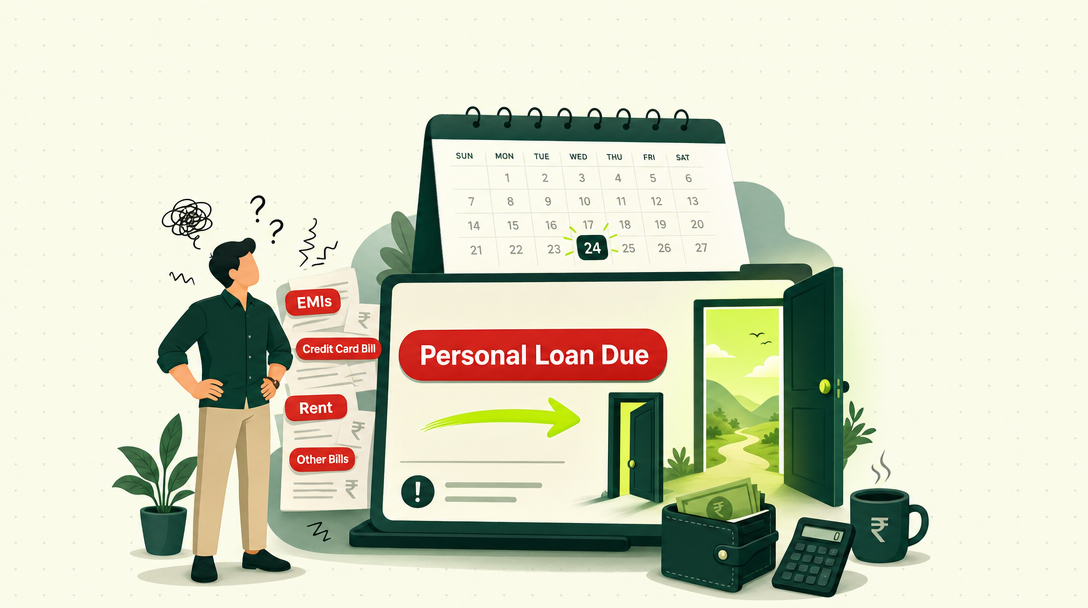
A personal loan demand notice is a formal request from your lender to repay overdue dues. It’s serious, but it’s not a criminal charge, and it’s not the end of the road. Here’s exactly what it means, and what to do next.
What a Demand Notice Actually Is
It’s a formal, written message. Your lender tells you, in writing, that your account is seriously overdue. They ask for repayment. It usually comes after earlier reminders, calls, and messages went unanswered.
Why This Stage Matters
A demand notice means your account has moved past casual reminders. Lenders send this once an account stays overdue for a while, often 30 days or more, with no resolution.
What It Doesn’t Mean
It doesn’t mean criminal charges. Loan default in India is usually a civil matter, not a criminal one, for genuine hardship. It also doesn’t mean things are unsolvable. Real options still exist at this stage.
A Quick Reference Table
| What’s Happening | What It Means |
|---|---|
| First notice, early overdue | Simple reminder |
| Formal demand notice | Serious, but still resolvable directly with your lender |
| Continued non-response | Lender may pursue further recovery steps |
What to Do the Moment You Receive One
Contact your lender right away. Don’t wait. Explain your situation honestly. Ask about your options. A payment plan. Restructuring. Or a partial payment to show good faith. Get any agreement in writing.
Why Ignoring It Makes Things Worse
Silence weakens your position. It narrows your options too. Lenders read silence as avoidance. That usually leads to more formal, more serious steps. Not fewer.
What Are Your Real Options at This Stage?
Ask for a repayment plan or restructuring, if your hardship is real. Make a partial payment, even if you can’t clear it all, to show good faith. Multiple debts involved? Check if combining them into one manageable EMI makes the full amount achievable.
Does a Demand Notice Affect Your Credit Score?
The underlying overdue status, not the notice itself, is what affects your score. By the time a formal notice arrives, some credit impact from the overdue period has likely already occurred, which is one more reason to act quickly.
A Realistic Path Forward
Someone receives a demand notice for an overdue personal loan. Rather than panicking or ignoring it, they call their lender the same day, explain a temporary income disruption, and request a revised payment schedule. The lender, seeing genuine engagement, agrees to restructure the remaining balance.
When to Consider Getting Help
If you’re managing multiple overdue debts at once, and the situation feels genuinely overwhelming, consider a structured plan, whether through consolidation, restructuring, or professional guidance, rather than trying to negotiate each debt separately under pressure.
Frequently Asked Questions
No. It’s a formal request for repayment. Legal action is a separate, later step that typically follows only if the notice goes unanswered.
Yes, often. Contacting your lender directly, even at this stage, frequently opens up options like restructuring or a revised payment plan.
No. Ignoring it typically leads to further, more serious recovery steps, not a resolution.
For a single, manageable debt, direct communication with your lender is often enough. For multiple overdue debts, professional guidance or consolidation can help create a structured path forward.
Receiving a demand notice itself does not automatically lower your credit score. However, the overdue payments behind the notice may already have been reported to credit bureaus and affected your credit profile.
Conclusion
Receiving a demand notice can be stressful, but it does not necessarily mean that legal action has already begun. The most important step is to avoid ignoring the notice. Review the amount claimed, check the repayment details, and contact your lender promptly to discuss possible solutions. Depending on your situation, you may be able to negotiate a revised repayment plan, restructuring, or another suitable arrangement.
If you have multiple debts or are unsure about your rights and obligations, professional guidance can help. Acting early is generally better than allowing the matter to progress into more serious recovery or legal proceedings.
Managing multiple debts and feeling the pressure build? See how consolidating them into one manageable EMI could help.