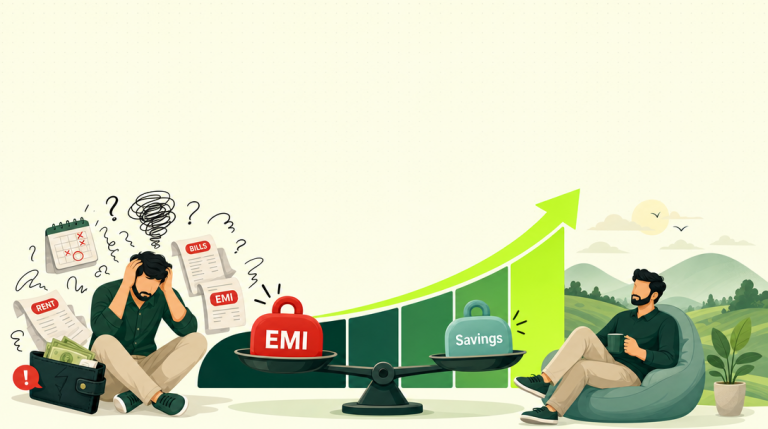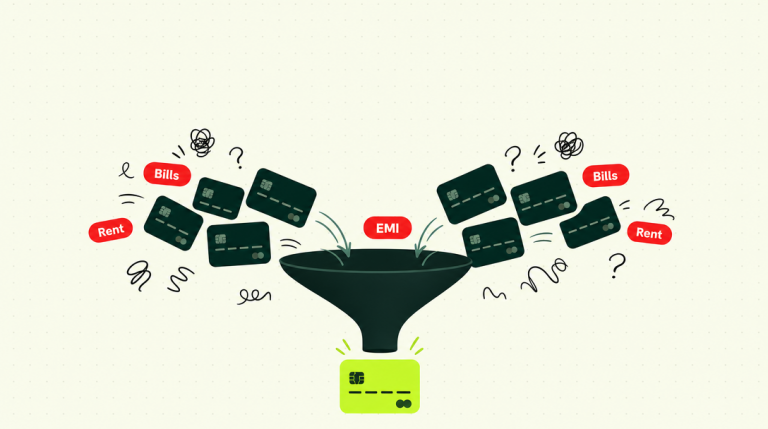






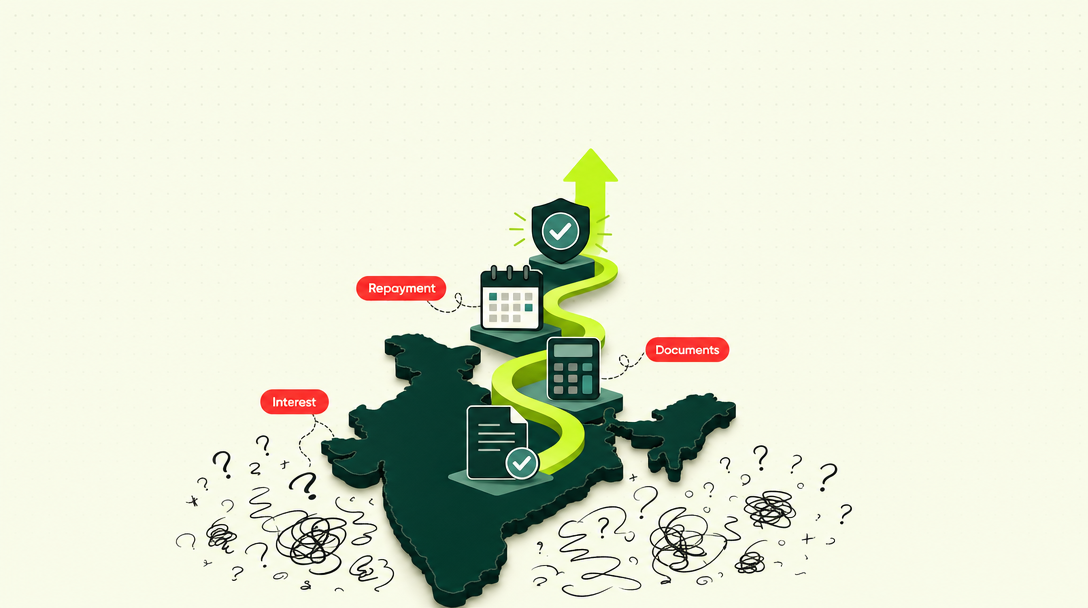
Getting a personal loan in India used to mean branch visits, stacks of photocopies, and a two-week wait. In 2026, the process for most salaried borrowers is digital-first: apply online, submit documents via upload, and receive disbursal within 24–72 hours. But speed doesn’t mean simplicity; the decisions you make before you apply determine whether you get the best rate or just any rate.
This is a step-by-step walkthrough of the entire process, from checking your eligibility to receiving the disbursal.
Step 1: Check Your Eligibility
Before applying for a personal loan, verify you meet the basic criteria most lenders require:
- Age 21–60 years
- Net monthly income: ₹20,000+ (₹25,000+ for metros)
- Employment: Minimum 6 months with current employer (salaried) or 2 yearsof ITR (self-employed)
- CIBIL score: 700+ preferred; some NBFCs approve at 650+
- FOIR: Your total existing EMIs should be under 40% of net income before adding the new loan
Step 2: Review Your CIBIL Score
Your CIBIL score is the single most important variable in determining both your approval odds and your interest rate for a personal loan. Check it before applying, not after, for two reasons:
- If it’s below 700, you have time to improve it before applying. Paying off credit card dues, reducing utilization below 30%, and clearing any outstanding defaults can move the score by 30–50 points within 3–6 months.
- Knowing your score lets you target lenders whose criteria you already meet, avoiding applications that trigger hard inquiries without approval.
Step 3: Determine How Much You Need
Borrow exactly what you need, not the maximum you’re eligible for. Personal loan interest accrues on the full principal; every additional rupee borrowed costs money. If you need ₹2 lakh for home repairs, applying for ₹4 lakh “just in case” costs you months of unnecessary interest.
If the purpose is loan consolidation, calculate the exact outstanding balance across all debts, add foreclosure charges, and set that as your target loan amount.
Step 4: Compare Lenders Without Applying
This step is where most borrowers lose money. They apply directly to their salary bank,nk which has no incentive to offer competitive rates without checking what’s available elsewhere.
Use a loan comparison platform or advisory service to get indicative rates from multiple lenders using a soft inquiry (which does not affect your CIBIL score). Compare:
- Effective interest rate (not just the advertised “starting from” rate)
- Processing fee — this is often negotiable
- Foreclosure charges — critical if you plan to prepay
- Disbursal timeline — relevant if the need is urgent
Step 5: Gather Your Documents
Standard documents for a personal loan application in 2026:
- PAN card (mandatory for loans above ₹50,000)
- Aadhaar card for KYC and address verification
- Last 3 months’ salary slips
- Last 6 months’ bank statements (salary account)
- Form 16 or ITR for the last 2 years
- Employment ID or appointment letter
Digital lenders using account aggregator consent (under the RBI’s AA framework) may only require your Aadhaar and PAN; bank statements are accessed directly with your consent, without physical upload.
Step 6: Submit the Application
Apply to one lender at a time,ime your preferred choice after the comparison in Step 4. Submitting to multiple lenders simultaneously triggers multiple hard inquiries, which can drop your CIBIL score by 10–30 points in a short window, making each subsequent application slightly harder to approve.
Most major banks and NBFCs offer fully digital personal loan applications. The form typically asks for personal details, employment information, loan purpose, and income details. Document upload is done via the lender’s portal or app.
Step 7: Verification and Approval
After submission, the lender’s credit team runs:
- A hard CIBIL inquiry (your score drops 5–10 points temporarily)
- Income verification against bank statements
- Employment verification (sometimes via a call to your HR)
- FOIR calculation to ensure the new EMI is within limits
For salaried employees with clean credit profiles, approval typically comes within a few hours to 2 working days. If you get a call asking for additional documents, respond quickly; delays from the borrower side slow the process significantly.
Step 8: Disbursal and Repayment
Once approved, the personal loan amount is credited to your bank account. If you’re using it for loan consolidation, transfer it immediately to foreclose existing loans; every day of delay costs you interest on both the old loans and the new one.
Set up an auto-debit mandate for the EMI immediately. Missing even one payment affects your CIBIL score and may trigger late payment charges.
Key takeaways
- Check your CIBIL score before applying;ying it determines your rate and approval odds more than any other factor.
- Compare lenders using soft inquiries before submitting a formal application to avoid unnecessary CIBIL hits.
- Borrow only what you need; extra principal means extra interest across the full tenure.
- Apply to one lender at a time; multiple simultaneous applications lower your score and signal credit stress.
- Set auto-debit immediately after disbursal; a missed personal loan EMI can drop your CIBIL score by 50–100 points.
Frequently Asked Questions
Pre-approved personal loan offers from your existing bank can be disbursed within minutes to hours. New applications to banks typically take 1–3 working days; NBFCs and digital lenders often process within 24 hours if documents are clean.
Yes. All major banks (HDFC, ICICI, SBI, Axis, Kotak) and NBFCs (Bajaj Finserv, Tata Capital, IDFC First) offer fully digital personal loan applications. Account aggregator-enabled lenders require minimal manual document submission.
Wait at least 3–6 months before reapplying. Use the time to improve your CIBIL score, reduce existing EMI obligations, and address the likely rejection reason. Applying again immediately risks another hard inquiry with the same outcome.
Pre-approved loans can be disbursed within hours, while new applications typically take 1–3 working days.
Common requirements include PAN, Aadhaar, salary slips, bank statements, and income or employment documents.
Conclusion
Getting a personal loan in India in 2026 is faster and more accessible than it has ever been, but speed is not a substitute for preparation. The borrowers who get the best rates are the ones who check their CIBIL score before applying, compare multiple lenders without committing, and apply with clean, complete documentation. The process rewards preparation more than urgency.