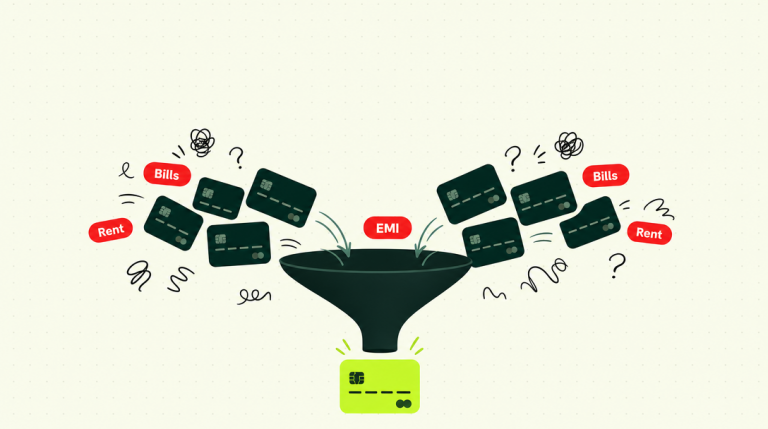







Loan against property (LAP) is one of the largest unsecured-feeling loans in India. You can borrow ₹1 lakh to ₹10 crore against a residential property, commercial property, or plot at 9–12% interest. The loan is cheaper than personal loan interest rates in India; the tenure can stretch to 15–20 years, and the property continues to be yours to use.
All true — but LAP marketing rarely tells you when it’s the wrong choice. Putting your home up as collateral is a serious step. Default risk, hidden costs, and slow disbursal can turn LAP from “cheap loan” into “expensive mistake.” This guide gives you the full picture: who LAP suits, the 4 situations where it’s the wrong loan, and how to evaluate it against unsecured alternatives.
What is LAP + Types
A loan against property is a secured loan where your property serves as collateral. Types:
- Residential LAP: Against a residential house or flat you own.
- Commercial LAP: Against a shop, office, or commercial building.
- LAP on plot: Against a vacant plot, usually at lower LTV.
- Lease rental discounting (LRD): Against rental income from a leased commercial property.
Loan-to-Value (LTV) Ratios
| Property Type | Typical LTV | Maximum Loan |
|---|---|---|
| Residential (self-occupied) | 60–70% | Up to ₹10 Cr |
| Residential (rented out) | 55–65% | Up to ₹10 Cr |
| Commercial property | 50–60% | Up to ₹15 Cr |
| Plot (residential, in approved layout) | 40–50% | Up to ₹5 Cr |
| Commercial plot | 40–50% | Up to ₹5 Cr |
If your residential property is valued at ₹1 Cr, you can borrow up to ₹60–70L through LAP.
Interest Rates by Lender (2026)
| Lender | LAP Rate Range | Tenure | Processing Fee |
|---|---|---|---|
| SBI | 9.5–10.5% | Up to 15 yr | 1% |
| HDFC Bank | 9.75–11% | Up to 15 yr | 1–1.5% |
| ICICI Bank | 9.85–11.25% | Up to 15 yr | 1–1.5% |
| Axis Bank | 9.9–11.5% | Up to 20 yr | 1–1.5% |
| Kotak Mahindra | 10–12% | Up to 15 yr | 1.5% |
| LIC Housing Finance | 10–11.75% | Up to 15 yr | 0.5–1% |
| Bajaj Finance | 10.5–12% | Up to 18 yr | 1–2% |
| Tata Capital | 10–12.5% | Up to 15 yr | 1–2% |
LAP rates are 4–7 percentage points lower than personal loan rates — a massive saving on large or long loans.
Eligibility
Salaried borrowers:
- Age 21–60 (or 65 for some lenders at loan maturity).
- Minimum income usually ₹25,000–40,000/month.
- CIBIL 700+.
- Stable employment 1–2+ years.
- ITR for 2–3 years.
- Business turnover threshold by lender.
- Profit-making business preferred.
Property:
- Clear title; no disputes.
- Approved by the local municipal authority.
- Within the lender’s serviceable city/area.
- Not under construction (for residential).
Documents Required
- Identity + address: PAN, Aadhaar, passport, voter ID.
- Income: Salary slips + Form 16 (salaried); ITR + financials (self-employed).
- Property: Sale deed, title deed, allotment letter, building plan approval, tax-paid receipts, no-objection certificate from society.
- Banking: 12 months’ bank statement.
- Valuation report: Conducted by the lender’s empanelled valuer.
LAP processing takes 15–30 days because of property due diligence — longer than personal loans but faster than home loans.
LAP vs Personal Loan: Cost Comparison
Scenario:
- Need: ₹20L for 5 years.
Personal loan @ 13% for 5 years:
- EMI: ₹45,517
- Total interest: ₹7,31,000
- Processing fee: ₹40,000+
- Total cost: ₹7,71,000+
LAP @ 10% for 5 years:
- EMI: ₹42,494
- Total interest: ₹5,49,000
- Processing fee: ₹20,000+
- Property valuation + legal: ₹10,000
- Total cost: ₹5,79,000
LAP saves: Approximately ₹1,92,000 on a ₹20L, 5-year borrowing.
4 Situations Where LAP is the Wrong Choice
Situation 1: Short-term need (under 3 years)
LAP’s setup costs (processing fee, valuation, legal, stamp duty) are 1.5–2% of the loan amount. For a 12-month loan, these costs erase the rate advantage. A personal loan or a loan against assets is better for the short term.
Situation 2: Property is the family’s only asset
Borrowing against your sole residence creates default risk that hurts not just you but the family. If the loan is for non-essential or speculative purposes (investments, business gamble), the asymmetric risk — small upside, catastrophic downside — doesn’t justify LAP.
Situation 3: Your income is volatile
LAP EMIs over 15 years assume stable income. Freelancers, commission-only earners, or those in volatile industries face a higher risk of EMI bounce that escalates into property repossession under SARFAESI.
Situation 4: Existing high-FOIR situation
If you already have multiple loans and credit card EMIs at high FOIR, adding LAP doesn’t solve the structural problem. Consolidation of existing debts is the better path. LAP simply transfers existing debt onto your home.
If your high FOIR is from credit cards, see our guide to credit card debt consolidation before considering LAP.
Foreclosure & Balance Transfer Rules
LAP has more favourable foreclosure rules than personal loans:
- Floating-rate LAP: RBI has banned foreclosure penalties for individual borrowers (non-business purpose).
- Fixed-rate LAP: 2–4% foreclosure usually.
- Balance transfer LAP from one bank to another: very common at lower rates.
If your LAP rate is 1+ percentage point above the current market, a balance transfer pays for itself in 24–36 months.
Frequently Asked Questions
Some lenders offer LAP based on rental income, business turnover, or an asset-only basis (called “LAP without income proof”). LTV is lower (40–50%), rate is higher (12–15%).
After repeated defaults, the lender invokes SARFAESI: serves a 60-day notice, then can seize and auction the property. You receive any surplus after recovery.
Yes, often with co-owners of the property. A joint application can increase eligibility based on combined income.
Slightly more expensive than a home loan (which is for property purchase) but cheaper than a personal loan.
Yes, but LTV is lower (55–65%) than self-occupied. Some lenders use the rental income to enhance eligibility.
Conclusion
LAP is one of the cheapest large-ticket loans available in India. For genuine long-term needs (business expansion, child’s higher education, large medical expense, home renovation), it’s hard to beat. For short-term or risky purposes, the rate advantage is illusory once you factor in setup costs and collateral risk.
LAP suits some borrowers, hurts others. TapTap Loans will show you whether a LAP or an unsecured loan saves you more, based on your numbers.