





Yes, you can often get a loan with a low CIBIL score, particularly through NBFCs, though at a higher interest rate and possibly a smaller amount than a strong credit profile would unlock. This guide covers your real options and how to improve your position.
What Counts as a “Low” CIBIL Score?
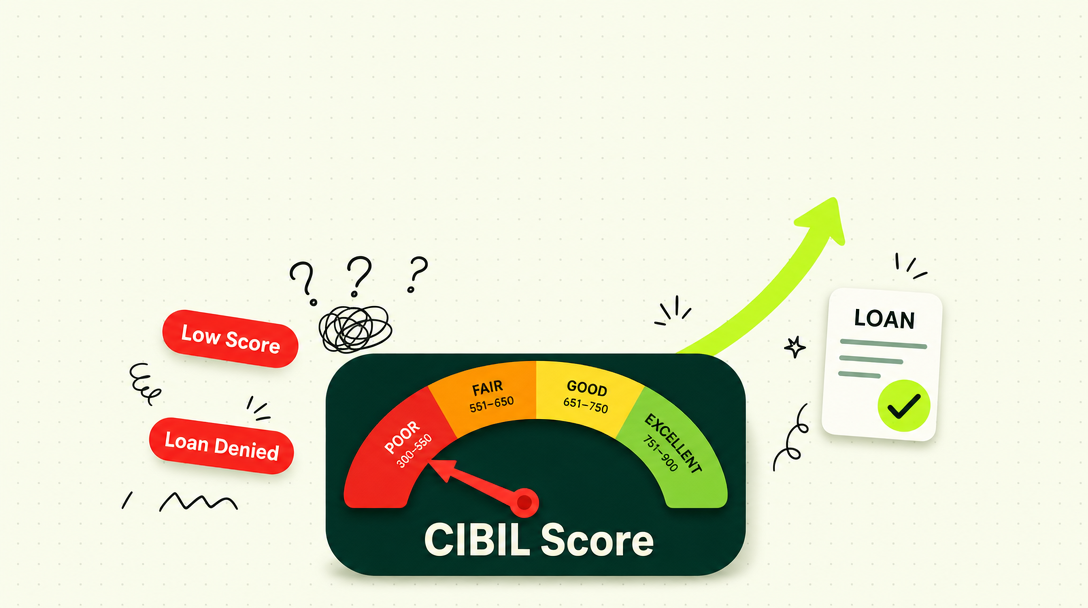
Generally, scores below 650 are considered low by most lenders, with scores below 550 falling into a much more difficult range for approval anywhere. Between 550-650, options exist but are more limited and typically more expensive.
Why Lenders Are Cautious With Low Scores
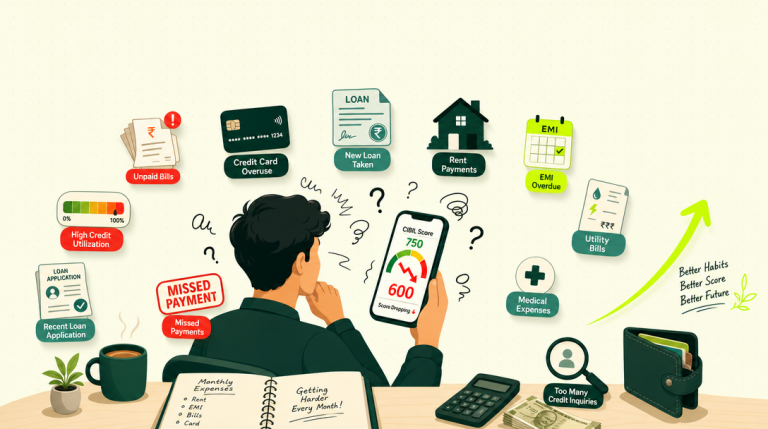
A low score signals a history of missed or delayed payments, high credit utilization, or limited credit experience, all of which suggest higher repayment risk to a lender. This isn’t a permanent judgment; it’s simply how the risk-assessment model interprets your available credit history.
Which Lenders Are More Likely to Approve You
NBFCs are generally more flexible than traditional banks for lower credit scores, since they specifically cater to a wider risk band, though at correspondingly higher rates. Some banks do have specific products for weaker credit profiles too, though typically with stricter conditions attached. Secured loan options, a gold loan or loan against property, are often more accessible than unsecured personal loans, since the collateral reduces the lender’s risk regardless of your score.
What to Expect: Rate and Amount Differences
A borrower with a 750+ score might access a personal loan at 11-13%. The same loan amount, for someone with a 600-650 score, might come at 18-24%, if approved at all, and often for a smaller sanctioned amount than requested.
This gap reflects genuine risk pricing, not an arbitrary penalty; understanding this helps set realistic expectations before applying.
Options Beyond a Standard Personal Loan
A secured loan, gold loan, or loan against property, if you have qualifying collateral, since approval depends more on the asset than your score alone.
A co-applicant with a stronger score, which can meaningfully improve both your approval odds and the rate offered, since the lender assesses the combined profile.
A smaller loan amount, since lenders are often more willing to approve a modest amount for a weaker profile than a large one.
How to Improve Your Chances Before Applying
Check your full credit report first, and address any overdue payments immediately; this has the single biggest impact. Reduce your credit card utilization, if applicable, ideally below 30%. Avoid applying to multiple lenders in quick succession, since each hard inquiry can further depress an already low score. And consider waiting a few months, if your situation allows, to let recent improvements reflect before applying for a significant loan.
Should You Apply Now, or Wait and Improve First?
This depends on urgency. If you have a genuine, immediate need, a medical emergency, for example, applying now with realistic expectations about rate and amount makes sense. If your need isn’t urgent, spending 3-6 months actively improving your score before applying can meaningfully improve both your approval odds and the rate you’re offered, often saving significantly more than the wait costs you.
A Realistic Example
Consider someone with a 610 CIBIL score, needing ₹2,00,000. Applying immediately through an NBFC might secure approval at around 22%, with an EMI of roughly ₹11,200 over 2 years.
Spending 6 months clearing an overdue payment and reducing card utilization might raise the score to 680, potentially qualifying for 16% instead, dropping the EMI to roughly ₹10,600, a meaningful saving over the loan’s life, purely from a few months of improved credit behavior.
Watch Out for Predatory Lenders Targeting Low Scores
Unfortunately, borrowers with low scores are sometimes targeted by lenders or platforms offering “guaranteed approval” at extremely high, sometimes undisclosed, rates and fees. Always verify a lender’s RBI-regulated status, and get a complete, written breakdown of the total cost before accepting any offer, regardless of how urgently you need funds.
How Consolidation Can Help Even With a Low Score
If your low score is partly driven by multiple, high-utilization credit cards, consolidating that debt, even at a modestly higher rate given your current score, can still meaningfully improve your situation. It reduces your utilization immediately, which itself supports score recovery, and replaces several payment dates with one, reducing future missed-payment risk.
Building Toward Better Terms Over Time
A loan taken with a low score today doesn’t lock you into that rate forever. Once your score improves through consistent repayment on this loan and other accounts, a balance transfer to a better rate becomes a realistic option down the line. Treat your current loan as a starting point, not a permanent arrangement.
Frequently Asked Questions
Scores below 550 are considered very difficult for most lenders. Between 550-650, options exist, primarily through NBFCs, though at higher rates.
It’s possible, primarily through NBFCs, though typically at a higher interest rate and possibly a smaller sanctioned amount than a stronger profile would receive.
No. With consistent on-time payments and reduced credit utilization over several months, most low scores can improve meaningfully, opening up better loan terms over time.
Generally yes, since the collateral reduces the lender’s risk regardless of your score, making approval more accessible than for unsecured loans.
Yes. A co-applicant with a stronger credit profile and stable income may improve your approval chances and potentially help you secure better loan terms.
Conclusion
A low CIBIL score can make borrowing more expensive, but it does not always mean you cannot get a loan. Before applying, compare your options, check your credit report, and consider whether improving your score for a few months could lead to better terms. If you need funds urgently, secured loans or a suitable co-applicant may improve your chances. Most importantly, avoid lenders promising guaranteed approval without clearly disclosing the total cost.
Have a lower score but need to explore your options? Check your eligibility with TapTap across 20+ lenders, with zero impact on your score.