





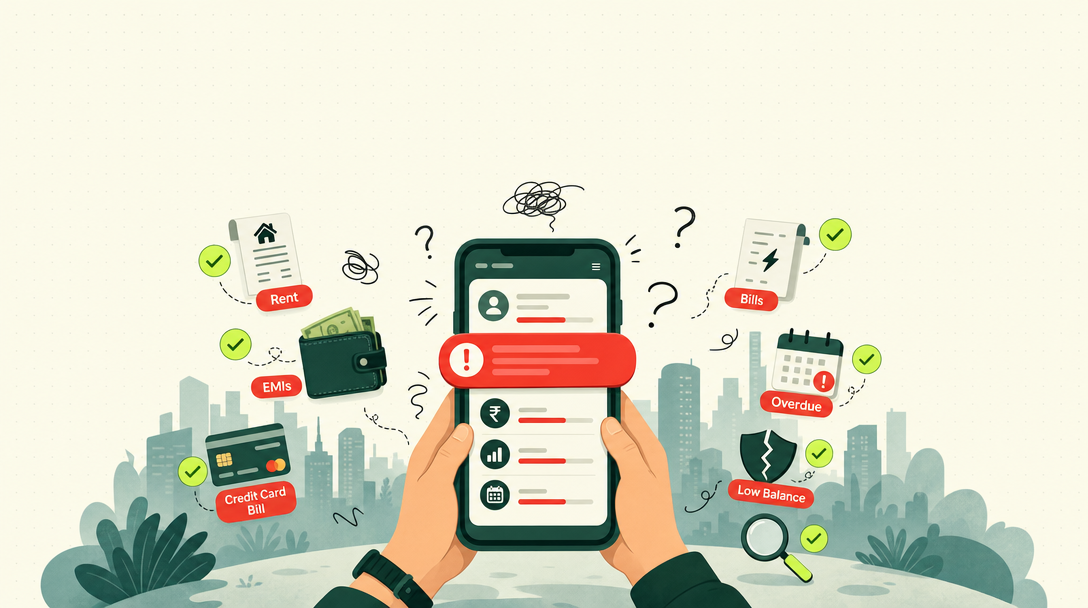
A fake loan app almost always shares the same signs: no named lender, hidden fees, excessive phone permissions, and pressure to decide fast. Check these before you download anything. This guide covers exactly what to look for.
Why This Matters More Than Ever
India’s app stores list hundreds of lending apps. Most are genuine. Some aren’t. A few have caused real harm through hidden charges, harassment, and data misuse. Telling them apart takes a few specific checks, not guesswork.
Sign 1: No Named Lender
A real app clearly states which bank or NBFC is actually lending the money, not just its own brand name. If you can’t find this within a minute of browsing, that’s your first warning sign.
Sign 2: The Lender Can’t Be Verified
Once you have a name, check it against RBI’s official list of regulated entities. A genuine partner appears there. A fake or vague claim usually doesn’t check out.
Sign 3: Costs Revealed Only After You Accept
Real apps must show a Key Fact Statement, a simple summary of your rate, fees, and total repayment, before you accept the loan. If costs only appear after you’ve committed, that’s a serious problem.
Sign 4: Excessive Phone Permissions
A legitimate lending app needs basic access to verify your identity. It doesn’t need your full contact list, your photo gallery, or your SMS history beyond what’s genuinely necessary.
Sign 5: Aggressive or Threatening Recovery Behavior
Real, regulated lenders follow RBI’s fair practices code. Reasonable hours, no threats, no public shaming. Threats to contact your family or post about your debt cross a clear, illegal line.
Sign 6: No Reviews Outside the App Store
Check Google reviews, independent forums, and news coverage. A pattern of complaints about hidden fees or harassment matters more than a polished in-app rating.
Sign 7: Pressure to Decide Within Minutes
Genuine lenders give you time to read terms properly. Countdown timers and urgent language pushing you to accept immediately are a manipulation tactic real lenders don’t typically need.
A Quick Comparison Table
| Signal | Likely Real | Likely Fake or Risky |
|---|---|---|
| Lender name | Clearly shown | Missing or vague |
| RBI registration | Verifiable | Can’t be confirmed |
| Cost disclosure | Shown upfront | Revealed later |
| Phone permissions | Minimal, relevant | Excessive |
| Recovery behavior | Follows fair practices | Aggressive, threatening |
| Reviews | Present outside the app itself | Absent or suspiciously perfect |
| Decision pressure | None | Countdown timers, urgency |
“What Are the Signs of a Loan Scammer?”
Beyond the app itself, watch for individual red flags too. A request for an upfront “processing fee” before any loan is disbursed. Contact only through personal messaging apps, not an official channel. Refusal to provide written terms. Any of these, alone, is worth walking away from.
“How to Check If a Loan Is Legit?”
Confirm the lender’s name against RBI’s regulated entity list. Check that the total cost is disclosed clearly, in writing, before you accept anything. Search for independent reviews mentioning specific experiences, not just star ratings.
“What Loans Should You Avoid?”
Avoid any loan where the lender won’t name itself clearly, where fees appear only after disbursal, or where you’re asked to pay something just to “unlock” your approved amount. This last pattern, in particular, is a well-documented scam structure.
Why Fake Apps Look So Convincing Today
Fake lending apps used to look obviously sketchy. Not anymore. Many now copy the clean design of genuine fintech apps closely. This is exactly why checking the substance, the lender name, the RBI status, matters more than how polished an app looks.
A Real Example of How the Trap Works
You search for an instant loan, download an app with a strong star rating, and get approved in minutes. Only later do you notice a “processing fee” that was never clearly shown, deducted before you even received the funds. High ratings can be manipulated, or simply reflect people who haven’t yet hit a problem.
What to Do If You’ve Already Shared Information
Stop sharing anything further immediately. Don’t send OTPs or banking passwords; no legitimate lender ever needs these directly. Monitor your accounts closely, and report the app through RBI’s official complaint channels if you suspect wrongdoing.
A Simple Pre-Download Test
Before installing any loan app, ask three questions. Can I name the actual lender behind it? Can I verify that lender on RBI’s official list? Does it show me the full cost before I accept anything? Three yes answers is a good sign. Any single no deserves a much closer look.
Why Checking Reviews Isn’t Always Enough on Its Own
Reviews help, but read them carefully. Some risky apps get a wave of positive reviews early on, before problems surface. Look at recent reviews specifically, not just the overall average. Look for detailed complaints, ones mentioning specific issues, not just vague one-star ratings with no explanation.
What Happens Once You’ve Shared Too Much Data
Already granted broad permissions to a risky app? Contacts, photos, SMS access? Understand what this means. The app may have already copied this data, even if you revoke the permission later. This is one more reason checking permissions before installing matters more than trying to undo it after the fact.
How Regulators Are Responding to This Problem
RBI’s Digital Lending Directions exist for exactly this reason. This problem grew widespread enough to need a formal response. Named lenders are now required. Cost disclosure is mandatory. Data access has real limits. Recovery must follow fair practices. These rules give you enforceable rights, but only when you’re dealing with an entity actually bound by them.
Why Some Apps Slip Through Despite These Rules
Regulation covers RBI-licensed banks and NBFCs. Some operators try to work around this by presenting themselves as a simple technology platform, not a lender, even while functioning exactly like one. This is precisely why naming the actual lending entity, not just the app brand, is the single most important check on this list.
A Second Real Example
A borrower downloads an app promising loans with “no documents, no verification.” They’re approved within seconds, no PAN, no Aadhaar, nothing checked. This should read as an immediate red flag, not a convenience. No legitimate lender in India can skip KYC entirely, since it’s a legal requirement, not an optional courtesy.
A Checklist to Keep Handy
Print this, or save it somewhere easy to find. Before any new loan app: name the lender. Verify it on RBI’s list. Confirm the total cost in writing. Check the permissions requested. Read a few recent, detailed reviews. Five checks, a few minutes, real protection.
Why This Effort Is Worth It Every Single Time
It’s tempting to skip these checks when you’ve used an app before, or when a friend recommended it. But regulatory status and practices can change, and even well-known apps deserve the same quick verification. Treating this as a habit, not a one-time effort, is what actually keeps you protected over the long run.
How to Verify a Lender’s RBI Status Yourself
Search the lender’s exact legal name, not the app’s marketing name, on RBI’s website. Genuine NBFCs and banks appear on RBI’s public regulated entity list, checkable in a few minutes. If the app only gives you a brand name with no separate, verifiable legal entity behind it, that gap is itself the answer.
Why Slowing Down Is Itself a Form of Protection
People searching for urgent loans are, understandably, in a hurry. Fake apps count on this urgency to rush you past the checks in this guide. Recognizing this pattern, and deliberately taking five extra minutes, is often enough to catch every warning sign before it costs you anything.
Frequently Asked Questions
Confirm it names a real, RBI-regulated lender, and verify that name directly on RBI’s official regulated entity list.
Full access to your contacts, photo gallery, or SMS messages beyond what’s genuinely needed for identity verification.
Not by itself. Many legitimate, regulated lenders also approve quickly. Speed alone isn’t the deciding factor; the other signals in this guide matter more.
Treat this as a serious red flag. Legitimate lenders don’t charge upfront fees just to release an approved loan amount.
Yes, ratings can be manipulated or simply reflect users who haven’t yet encountered a problem. Check independent reviews and specific complaints, not just the star average.
Conclusion
Fake loan apps can look professional and promise fast approval, but legitimacy depends on what is behind the app. Always verify the actual bank or NBFC, check its RBI-regulated status, review the Key Fact Statement, and examine the permissions the app requests. Never pay an upfront fee just to release a loan, and never share OTPs or banking passwords. Taking a few minutes to verify these details can protect you from hidden charges, data misuse, harassment, and financial scams.
Want a transparent, RBI-regulated way to compare loan options? Check your eligibility with TapTap across 20+ verified lenders