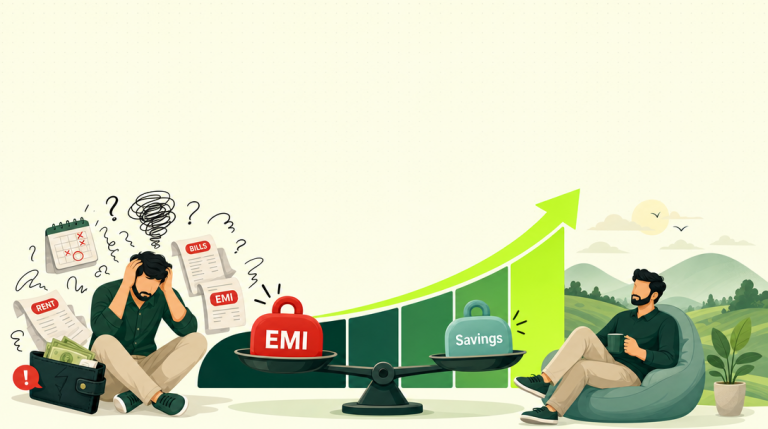






Recovery agents in India operate in a gray zone. Banks and NBFCs are legally required to follow RBI’s Fair Practices Code, but they outsource collections to third-party agencies whose agents often go far beyond what’s allowed. Calls at 11 pm, visits to your workplace, threats to inform your family, language designed to humiliate — these are the experiences thousands of borrowers report each month.
Most borrowers don’t know that almost every aggressive tactic recovery agents use is explicitly prohibited by RBI’s Fair Practices Code. This guide quotes the actual rules, shows you exactly what agents can and cannot do, gives you a step-by-step complaint process that gets action, and helps you find better paths if you genuinely cannot pay.
What RBI’s Fair Practices Code Says
The RBI Master Direction on Fair Practices Code (most recent updates: 2023–25) governs how banks and NBFCs can recover loans. Key principles:
- Banks/NBFCs are responsible for the conduct of their recovery agents. “Outsourcing” is not an excuse.
- Borrowers must be treated with dignity, civility, and without harassment.
- Recovery agents must identify themselves with photo ID and an authorisation letter.
- Calls can be made only between 7 am and 7 pm.
- No calls to neighbours, employers, or family unless the borrower is unreachable.
- No use of threatening, abusive, or insulting language.
- No visits to the borrower’s workplace without prior consent.
- Complaints to be logged, investigated, and responded to.
Violations can lead to RBI penalties on the lender, complaints to the Banking Ombudsman, and civil suits for harassment.
What Recovery Agents CAN Do
- Call you between 7 am and 7 pm to discuss the overdue amount.
- Send written reminders by SMS, email, or registered post.
- Visit your registered address (home, not workplace) by appointment or polite cold visit.
- Negotiate settlement, restructure, or repayment plan on the lender’s behalf.
- Initiate legal proceedings (Section 138 NI Act, civil suit, SARFAESI for secured loans).
What Recovery Agents CANNOT Do
- Call before 7 am or after 7 pm. Explicit RBI prohibition.
- Use abusive, threatening, or shaming language. This includes caste-based slurs, sexual innuendo, and threats of physical violence.
- Call your relatives, colleagues, or friends to shame you. They can call relatives only if you are unreachable and only to ask your contact details — not to disclose the loan or pressure them.
- Visit your workplace without explicit consent. This includes “surprise visits” to your office.
- Publicise your overdue on social media or in your neighbourhood. Public shaming is a criminal offence under the IT Act and the BNS.
- Take physical possession of unsecured loan collateral. Unsecured loans have no collateral; agents cannot “seize” anything.
- Use morphed images or threats of social shame. Criminal harassment under multiple laws.
- Impersonate police, court officials, or government authorities. Cheating under BNS Section 318/319.
- Demand cash payments without proper receipts. All payments must flow to the registered bank/NBFC account.
How to Identify Illegal Harassment
If any of the following is happening to you, it is illegal:
- Multiple calls per day from different numbers.
- Calls before 7 am or after 7 pm.
- Threats to come to your workplace and shame you.
- Threats to call your relatives or neighbours.
- Sexually inappropriate or caste-based language.
- Demands for payment to be made to a personal UPI ID or unfamiliar account.
- Visits without prior intimation or after dark.
- Use of police uniform, court summons, or threats of immediate arrest.
Step-by-Step Complaint Process
Level 1: The Lender’s Grievance Cell
Every bank and NBFC has a designated Grievance Redressal Officer. Write a formal complaint email with:
- Your loan account number.
- Date, time, and nature of harassment.
- Specific RBI Fair Practices Code clause violated.
- Demand: cease harassment, identify the agent, take corrective action within 7 days.
Send by email and registered post. Keep proof of delivery.
Level 2: Banking Ombudsman / RBI Integrated Ombudsman
If the lender does not respond satisfactorily within 30 days, file with the RBI Integrated Ombudsman:
- Portal: cms.rbi.org.in
- Form: free, online, no advocate needed.
- Attach all evidence and the lender’s non-response.
- Ombudsman has the authority to direct compensation up to ₹20L.
Level 3: Police FIR (if criminal harassment)
If threats, shaming, or social pressure are involved:
- File an FIR under BNS sections for criminal intimidation, defamation, and the IT Act for online harassment.
- Submit a cybercrime complaint at cybercrime.gov.in for any digital harassment.
Level 4: Civil Suit
For sustained harassment causing mental or financial harm, you can file a civil suit for damages. Engage a lawyer; most consumer-court suits cost ₹5,000–20,000 in fees.
Sample Complaint Letter Template
To,
The Grievance Redressal Officer,
[Bank/NBFC Name], [Address]
Subject: Complaint of Harassment by Recovery Agent — Loan A/C No. [XXXX]
Dear Sir/Madam,
I am writing to formally complain about the conduct of your recovery agents in connection with the above loan account. On [date], at [time], your agent [name/agency, if known] [describe the specific harassment: e.g., called me at 9:45 pm, used abusive language, threatened to visit my workplace]. This conduct is in violation of RBI’s Fair Practices Code on Recovery Agents, specifically the provisions on call timings, language, and workplace visits.
I request you to: (1) immediately cease all harassment, (2) identify the agent responsible, (3) confirm the corrective action taken, and (4) respond to this complaint within 7 working days. If the harassment continues, I will escalate to the RBI Integrated Ombudsman and consider further legal action.
Enclosing: [list evidence — call recordings, screenshots, witness statements].
Sincerely, [Your Name, Contact]
Better Paths When You Genuinely Cannot Pay
If you’re behind on EMIs because of a real cash crunch, fighting agents is necessary but insufficient. You also need to fix the underlying problem:
- Restructure: Ask the lender to extend tenure, reduce EMI. Most banks will agree if you approach proactively.
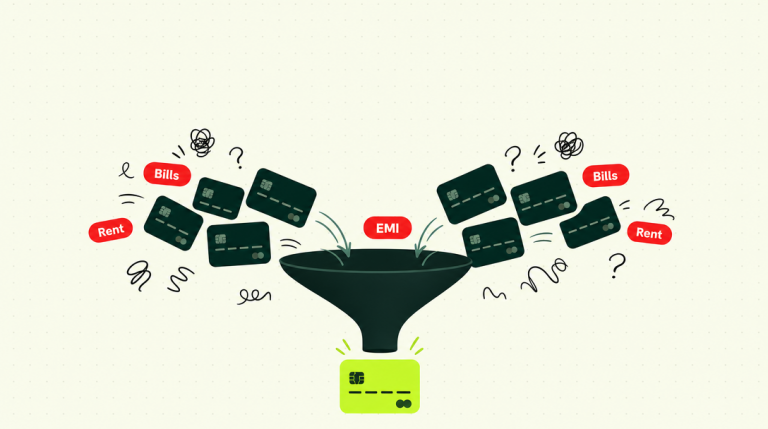
- Consolidate: Combine multiple EMIs into one with a fresh consolidation loan from another lender. Often the easiest path.
- Settlement (last resort): Negotiate a one-time settlement — but understand the 7-year CIBIL cost.
- Loan against asset: Use FD, gold, or insurance to pay off the defaulted loan in full.
Our complete guide on loan settlement vs closure explains why consolidation usually beats settlement for borrowers in this situation.
Frequently Asked Questions
Yes, with prior intimation, in reasonable hours, and behaving civilly. They cannot force entry, threaten you in front of family, or visit at unreasonable hours.
Only to obtain your contact details if you are unreachable, and only briefly. They cannot disclose your loan details, shame you to relatives, or pressure family members to pay.
Record the call (legal in India for one-party consent), preserve evidence, and file complaints with the lender, RBI Ombudsman, and police if necessary.
Yes, for harassment, defamation, or criminal intimidation. The lender is also vicariously liable for the agent’s conduct.
No. Only the lending bank or a court can place a lien on your account. Agents have no such authority. Threats to “block your bank account” are impersonation.
Bottom Line
Recovery agents bank on borrowers being too embarrassed or scared to push back. The legal framework is on your side;e use it. Document harassment, complain formally, escalate when needed, and fix the underlying issue through restructure or consolidation.
If you’re behind on EMIs, consolidation can stop recovery agent calls before they escalate.
Talk to a TapTap Loans advisor discreetly, no judgment, advisory-first.