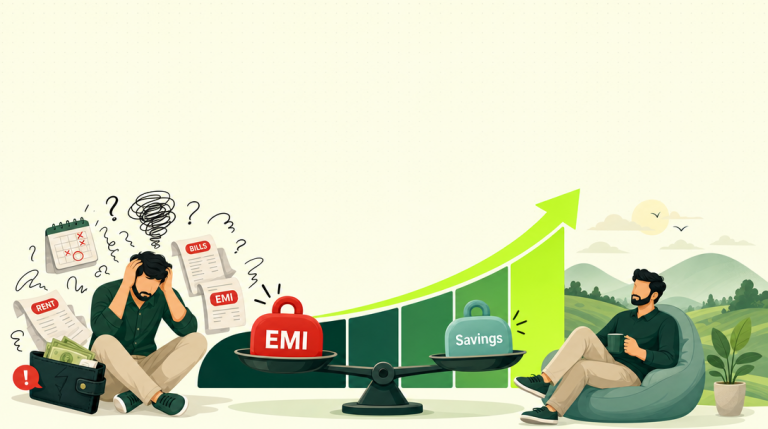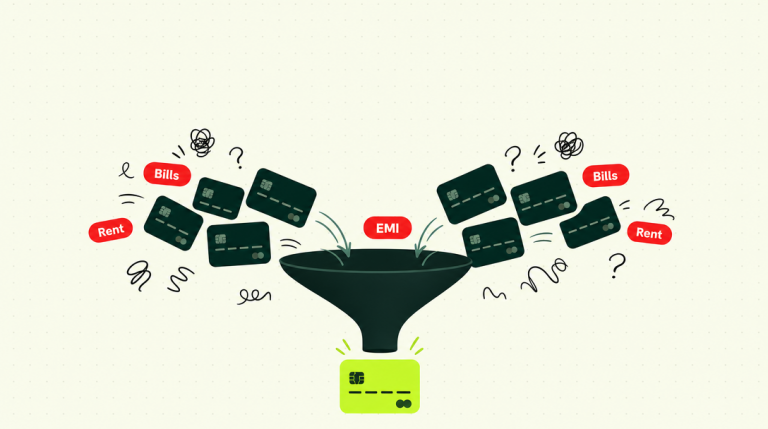






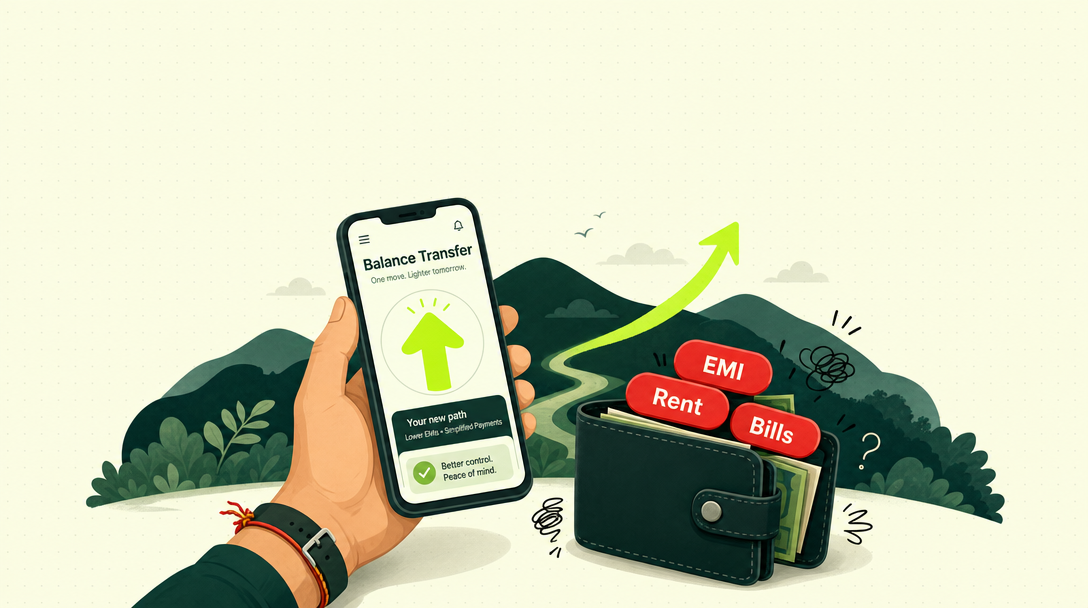
A personal loan balance transfer is the process of moving your existing personal loan to a new lender at a lower interest rate. For borrowers who took loans 18–36 months ago when their CIBIL scores were lower or when rates were higher, this can mean significant monthly savings.
This is a step-by-step walkthrough of the entire personal loan balance transfer process in India, including the calculations you need to do before you start.
Step 1: Determine if a Balance Transfer Is Worth It
A personal loan balance transfer makes financial sense only if your savings from the rate reduction exceed the total cost of the transfer. Calculate:
- Current outstanding principal on your loan
- Current interest rate vs. the new lender’s offered rate
- Foreclosure charges from current lender (typically 2–5% of outstanding)
- Processing fee at new lender (typically 0.5–2%)
- Months of remaining tenure
Rule of thumb: If the rate difference is 2%+ and the remaining tenure is 18+ months, the personal loan balance transfer is likely worth it. Use a loan calculator to confirm the exact break-even month.
Step 2: Check Your Eligibility
New lenders evaluate you as a fresh borrower for a personal loan balance transfer — your original loan history helps, but you still need to meet their current criteria:
- CIBIL score 700+ (the higher, the better rate you unlock)
- Clean repayment record on the existing loan: zero missed EMIs in the last 12 months
- Stable employment: salaried (6+ months with current employer) or self-employed (2+ years ITR)
- FOIR: Existing EMIs (including the BT loan after completion) under 50% of net income
- Minimum outstanding balance: ₹50,000 (varies by lender)
Step 3: Compare New Lender Offers
Get rate quotes from at least 3–4 lenders before committing to a personal loan balance transfer. Focus on:
- The offered interest rate (not the advertised starting rate; your profile determines the actual rate)
- Processing fee: What percentage is negotiable?
- Whether they allow top-up loans (additional amount above the BT amount, if needed)
- Foreclosure terms for the new loan: Will you incur penalties if you prepay?
Use a loan advisory platform to get comparative offers without triggering multiple hard inquiries.
Step 4: Collect Required Documents
For a personal loan balance transfer application, you typically need:
- PAN card and Aadhaar card (KYC)
- Last 3 months’ salary slips
- Last 6 months’ bank statements
- Existing loan account statement (last 12 months)
- Welcome/sanction letter from your existing lender
- No-Objection Certificate (NOC) request preparation (for later)
Step 5: Apply to the New Lender
Submit your personal loan balance transfer application with all documents. Specify clearly that this is a balance transfer application (not a fresh loan). Some lenders have specific BT processing teams with faster turnaround.
The new lender will run a credit assessment, including a hard inquiry on your CIBIL.
Step 6: Get Foreclosure Statement from Existing Lender
Once your new personal loan balance transfer is sanctioned, contact your existing lender for a foreclosure statement. This document specifies:
- Exact outstanding principal as of the foreclosure date
- Foreclosure charges applicable
- Final amount required to close the loan
- Valid date of the statement (typically 7–14 days)
Step 7: Execute the Transfer
The new lender typically issues a demand draft or online transfer directly to your old lender for the foreclosure amount. In some cases, the amount is credited to your account, and you transfer it yourself.
Your old loan is closed. Request a No-Objection Certificate (NOC) from your old lender confirming the loan has been fully repaid; keep this for your records.
Step 8: Confirm Closure and Set Up New EMI
Verify on your CIBIL report (within 30–45 days) that the old loan is marked “Closed,” not “Written Off” or “Settled.” Set up auto-debit for the new EMI immediately. The first EMI of a personal loan balance transfer is often due within 30 days of disbursal.
- A personal loan balance transfer is only worth it if the rate savings exceed the total transfer costs within your remaining tenure.
- A clean repayment history on the existing loan (zero missed EMIs) is essential for new lender approval.
- Always get the foreclosure statement from your existing lender before finalizing the exact closure amount, which determines your total cost calculation.
- Request an NOC after closure and verify the old loan shows as “Closed” on your CIBIL report within 30–45 days.
- Use a loan comparison platform to get rate quotes without triggering multiple hard inquiries.
Frequently Asked Questions
The process typically takes 7–15 working days from application to final closure of the old loan. Digital NBFCs and fintech lenders can process a personal loan balance transfer faster, sometimes within 3–5 days.
Yes, many lenders offer a top-up option with a personal loan balance transfer, an additional loan amount above the outstanding balance. This is useful if you have a current financial need alongside the balance transfer. The combined rate is typically the same as the BT rate.
Check the likely reason: CIBIL score below threshold, FOIR too high, or missed EMIs on existing loan. Improve the specific issue before reapplying. Avoid applying to multiple lenders simultaneously if rejected;d each rejection and inquiry weakens your profile temporarily.
Collect the NOC, keep the closure documents, and verify that the old loan is marked as “Closed” on your CIBIL report.
Check your CIBIL score, FOIR, income, and repayment history to identify the reason before applying again.
Conclusion
A personal loan balance transfer is a structured, multi-step process that rewards borrowers who’ve improved their credit profile since their original loan. The financial benefit is real and calculable; the savings from a 2–4% rate reduction on a ₹5–10 lakh loan can run into tens of thousands of rupees over the remaining tenure. The key is to run the numbers first, compare lenders efficiently, and ensure the old loan is cleanly closed with proper documentation.